















Wire molding: Is Cable Clutter a Real Safety and Liability Risk in Your Office?
Most conversations about messy cables focus on how they look. A tangle of cords under a desk feels unprofessional, maybe a little embarrassing if a client walks by. But that framing misses the more serious issue underneath it. Exposed or loose cables in a workplace are a documented trip hazard, and workplace trip hazards carry real consequences beyond an awkward glance from a visitor. An employee who trips over a cable and gets injured isn’t a hypothetical scenario, it’s the kind of incident that shows up in workers’ compensation claims, insurance reviews, and sometimes legal exposure for the organization involved.
Regulatory bodies in most markets, including OSHA in the United States, set clear expectations around trip hazards in occupied workspaces, and a pattern of visible cable hazards can affect how an organization’s risk profile looks to its insurer at renewal time. None of this means every loose cable is a lawsuit waiting to happen. It means cable management deserves to be treated as a genuine safety consideration, not just a tidiness preference. This guide covers what actually matters in a wire molding solution, how to tell if it’s enough for your space, and what a properly installed setup should actually look like.
What Should You Look for in a Wire Molding Solution?
A good wire molding solution needs a secure clip-on cover, the right raceway size for your cable load, durable material that won’t crack under foot traffic, and a design that routes cables away from walkways entirely.
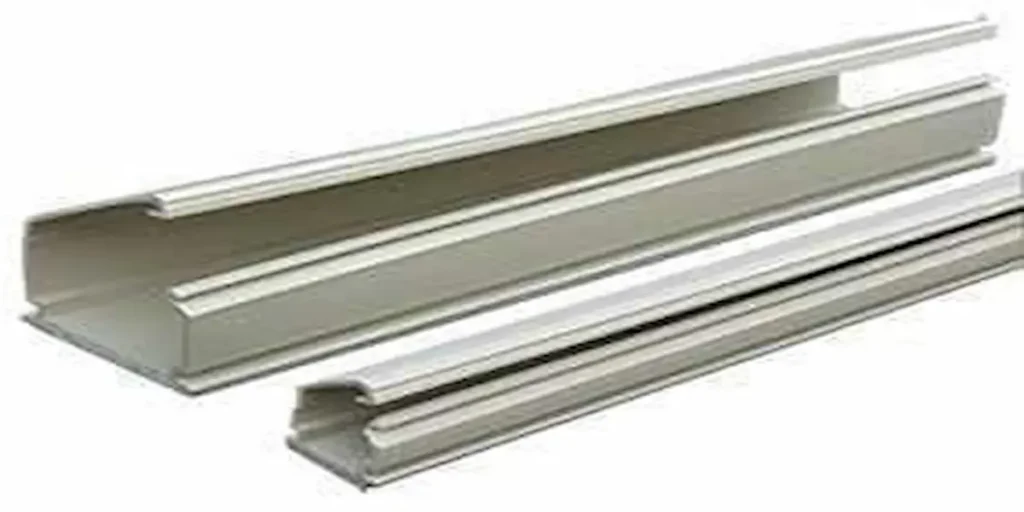
Each of these details plays a specific role in whether the fix actually holds up. The raceway, which is just the enclosed channel that the cables run through, needs to be sized correctly for what it’s actually holding. AFC’s plastic wire mold comes in two sizes, a larger 1.25 inch wide by 0.75 inch deep option and a smaller 0.875 inch wide by 0.5 inch deep option, and picking the wrong size either leaves cables cramped and stressed or wastes space on a channel that’s oversized for the job.
The clip-on cover matters more than it sounds like on paper, since a mold without a secure cover can pop open under foot traffic or vibration, defeating the entire purpose of enclosing the cables in the first place. Material durability rounds it out. A cheap, brittle plastic that cracks after a few months of foot traffic near a walkway creates a new hazard instead of solving the original one. And routing matters just as much as the mold itself. Even a well-built wire mold across an open walkway is still a hazard if it’s not routed along a wall or desk edge, out of the direct path of foot traffic.
A few things worth checking before you buy:
- Raceway size. Match it to your actual cable count and thickness, not just what’s readily available.
- Cover security. A clip-on cover that stays fully closed under foot traffic and vibration matters more than the material it’s made from.
- Material durability. Cheap plastic that cracks under regular use creates a new hazard instead of solving the original one.
- Routing path. Even properly molded cables are still a hazard if they cross an open walkway instead of running along a wall or desk edge.
There’s useful context in current best practices for under-desk and floor-level cable routing if you want a deeper look at how proper cable pathway planning actually works in practice.
Is Wire Molding the Right Fix, or Do You Need a Bigger Cable Management Overhaul?
Wire molding works well for routing a small number of cables along a clear, direct path, while a larger or more chaotic setup with many devices may need a broader cable management plan involving trays, raceways, and dedicated power distribution.
Being honest about the actual scale of the problem matters here. If you’re dealing with a handful of cables running from one or two devices to a nearby outlet, a properly sized wire mold along the wall or desk edge solves the problem cleanly and affordably. But if the space in question has multiple workstations, shared equipment, and cables converging from several directions, a simple mold addresses only part of the picture.
In that situation, the underlying issue usually isn’t the absence of molding, it’s that the space was never planned with a real cable pathway in mind. A wire mold covering one section of a chaotic setup while other cables remain exposed elsewhere in the same room doesn’t actually resolve the liability concern that started this conversation in the first place.
A quick way to think it through:
- Are you dealing with a handful of cables along one clear path, or cables converging from multiple devices and directions?
- Has this space had cable issues before, or is this the first time it’s come up?
- Would a simple mold cover the entire hazard, or just part of it?
Worth browsing AFC’s ergonomic mounts and workstation accessories if your space needs a broader look at cable and equipment organization beyond a single wire mold.
What Does Proper Wire Molding Actually Look Like Once It’s Installed?
Properly installed wire molding keeps cables fully enclosed and off the floor or away from foot traffic, with a clean, secured run from device to outlet rather than cables simply tucked under a rug or desk.
Picture a shared office walkway where several desks’ cables used to cross the floor on their way to a shared outlet, creating exactly the kind of hazard that shows up in safety incident reports. After proper installation, those same cables run along the wall baseboard instead, fully enclosed in molding sized correctly for the load, secured with a clip-on cover along the entire run rather than just the visible section near the desk. Nothing crosses the open walkway anymore. That’s the actual difference between a real fix and a temporary one, the cables aren’t just hidden from view, they’re physically removed from the path where someone could trip over them.
A few practical steps for getting this right:
- Map out the actual cable path before installing anything.
- Choose the raceway size that matches your cable load, not just what happens to be on hand.
- Route along walls or desk edges rather than across open floor space.
- Secure the clip-on cover fully along the entire run, not just the visible sections.
- Recheck the installation periodically as new devices or cables get added to the space.
Frequently Asked Questions
Is exposed cable actually a safety violation?
Exposed cables can violate workplace safety standards when they create a trip hazard in an occupied space. Regulatory bodies including OSHA set expectations around trip hazards in commercial environments, and unaddressed cable clutter can factor into safety compliance reviews.
What is the difference between wire molding and a cable tray?
Wire molding is an enclosed channel that fully covers and protects cables along walls or desk edges, while a cable tray is typically an open support structure that holds cables without fully enclosing them. Molding offers more physical protection in high-traffic areas.
Can wire molding be installed without professional help?
Yes, most plastic wire molding is designed for straightforward installation using adhesive backing or basic mounting hardware. More complex, large-scale cable management projects involving multiple workstations may benefit from professional planning.
Does wire molding come in different sizes?
Yes, wire molding typically comes in multiple raceway sizes to accommodate different cable loads. Choosing the correct size matters, since undersized molding can stress cables while oversized molding wastes space unnecessarily.
How long does plastic wire molding actually last?
Quality plastic wire molding can last for years under normal use, though durability depends on material quality and how much foot traffic or physical stress the installation location sees. Cheaper materials may crack sooner under regular use.
{
“@context”: “https://schema.org”,
“@graph”: [
{
“@type”: “Article”,
“@id”: “https://afcindustries.com/blog/cable-clutter-safety-liability-2026/#article”,
“headline”: “Is Cable Clutter a Real Safety and Liability Risk in Your Office?”,
“description”: “A practical guide to wire molding and workplace cable safety in 2026, covering what to look for, when it is the right fix, and what a properly installed setup should look like.”,
“image”: “[LOGO_URL]”,
“author”: {
“@type”: “Organization”,
“name”: “AFC Industries, Inc.”,
“url”: “https://afcindustries.com”
},
“publisher”: {
“@type”: “Organization”,
“name”: “AFC Industries, Inc.”,
“logo”: {
“@type”: “ImageObject”,
“url”: “[LOGO_URL]”
}
},
“datePublished”: “[PUBLISH_DATE]”,
“dateModified”: “[MODIFIED_DATE]”,
“mainEntityOfPage”: {
“@type”: “WebPage”,
“@id”: “https://afcindustries.com/blog/cable-clutter-safety-liability-2026/”
}
},
{
“@type”: “FAQPage”,
“@id”: “https://afcindustries.com/blog/cable-clutter-safety-liability-2026/#faq”,
“mainEntity”: [
{
“@type”: “Question”,
“name”: “Is exposed cable actually a safety violation?”,
“acceptedAnswer”: {
“@type”: “Answer”,
“text”: “Exposed cables can violate workplace safety standards when they create a trip hazard in an occupied space. Regulatory bodies including OSHA set expectations around trip hazards in commercial environments, and unaddressed cable clutter can factor into safety compliance reviews.”
}
},
{
“@type”: “Question”,
“name”: “What is the difference between wire molding and a cable tray?”,
“acceptedAnswer”: {
“@type”: “Answer”,
“text”: “Wire molding is an enclosed channel that fully covers and protects cables along walls or desk edges, while a cable tray is typically an open support structure that holds cables without fully enclosing them. Molding offers more physical protection in high-traffic areas.”
}
},
{
“@type”: “Question”,
“name”: “Can wire molding be installed without professional help?”,
“acceptedAnswer”: {
“@type”: “Answer”,
“text”: “Yes, most plastic wire molding is designed for straightforward installation using adhesive backing or basic mounting hardware. More complex, large-scale cable management projects involving multiple workstations may benefit from professional planning.”
}
},
{
“@type”: “Question”,
“name”: “Does wire molding come in different sizes?”,
“acceptedAnswer”: {
“@type”: “Answer”,
“text”: “Yes, wire molding typically comes in multiple raceway sizes to accommodate different cable loads. Choosing the correct size matters, since undersized molding can stress cables while oversized molding wastes space unnecessarily.”
}
},
{
“@type”: “Question”,
“name”: “How long does plastic wire molding actually last?”,
“acceptedAnswer”: {
“@type”: “Answer”,
“text”: “Quality plastic wire molding can last for years under normal use, though durability depends on material quality and how much foot traffic or physical stress the installation location sees. Cheaper materials may crack sooner under regular use.”
}
}
]
},
{
“@type”: “HowTo”,
“@id”: “https://afcindustries.com/blog/cable-clutter-safety-liability-2026/#howto”,
“name”: “How to Properly Install Wire Molding to Reduce Trip Hazards”,
“step”: [
{
“@type”: “HowToStep”,
“name”: “Map the cable path”,
“text”: “Map out the actual cable path before installing anything.”
},
{
“@type”: “HowToStep”,
“name”: “Choose the correct raceway size”,
“text”: “Choose the raceway size that matches your cable load, not just what happens to be on hand.”
},
{
“@type”: “HowToStep”,
“name”: “Route away from walkways”,
“text”: “Route cables along walls or desk edges rather than across open floor space.”
},
{
“@type”: “HowToStep”,
“name”: “Secure the cover fully”,
“text”: “Secure the clip-on cover fully along the entire run, not just the visible sections.”
},
{
“@type”: “HowToStep”,
“name”: “Recheck periodically”,
“text”: “Recheck the installation periodically as new devices or cables get added to the space.”
}
]
}
]
}