




What Are Smart Racks’ Importance in Modern IT Environments?
Smart racks are important because they improve organization, scalability, and performance in IT and data environments.
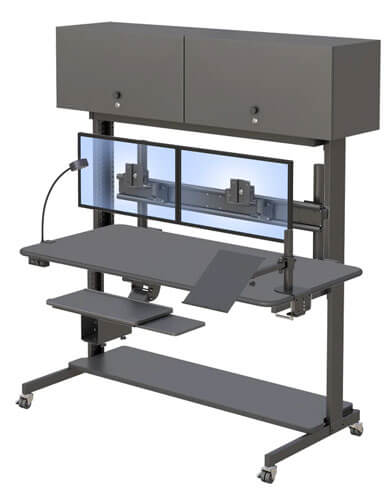
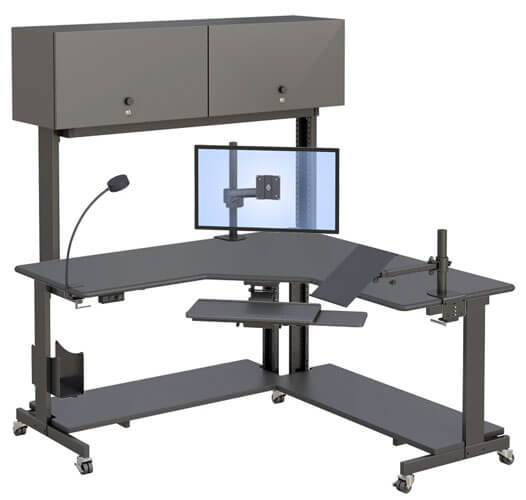
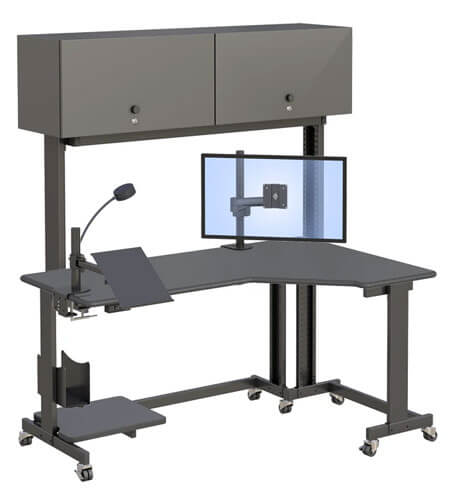
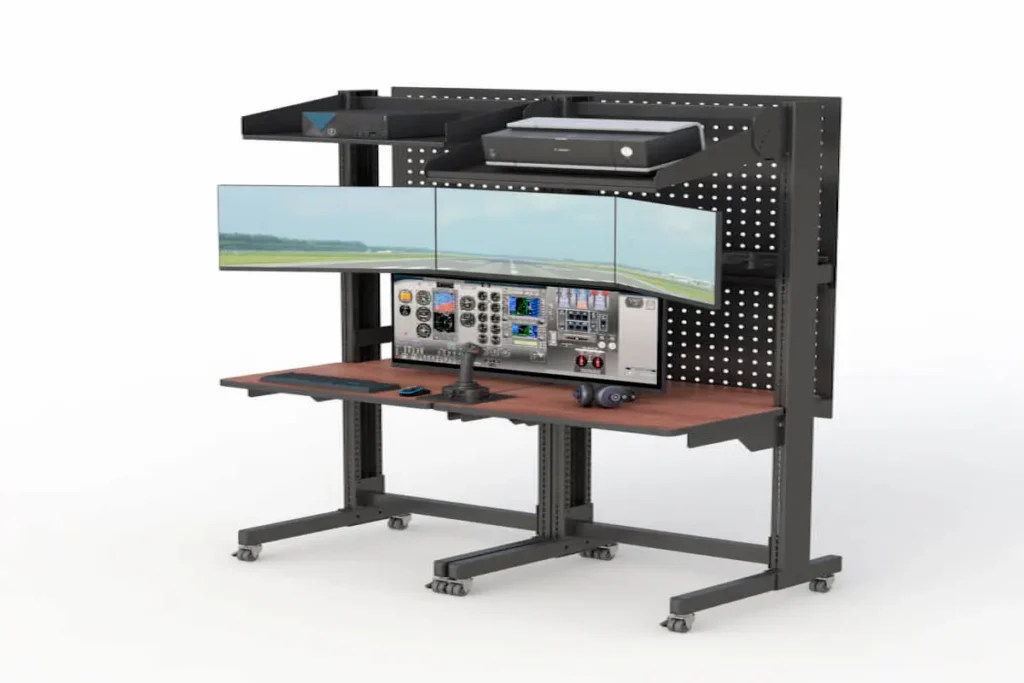
In today’s digital landscape, businesses rely heavily on servers, networking equipment, and data systems. Without proper organization and infrastructure, systems can become inefficient, difficult to maintain, and prone to downtime. Smart racks provide a structured solution that supports airflow, cable management, and scalability, making them essential for data centers, control rooms, and enterprise IT environments.
What Should You Look for in Smart Racks?
How Do Smart Racks Improve Organization and Performance?
Smart racks improve performance by organizing equipment, optimizing airflow, and simplifying system management.
In high-performance environments, disorganized equipment can lead to overheating, inefficiencies, and maintenance challenges. Smart racks ensure that devices are properly arranged, allowing for better cooling and easier access. Solutions like smart racks help maintain structured and efficient IT environments.
What Features Define a High-Quality Smart Rack?
High-quality smart racks include load capacity support, cable management systems, scalability, and durable construction.
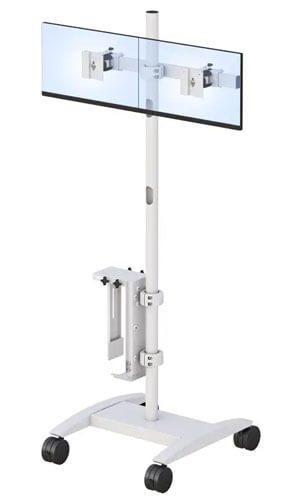
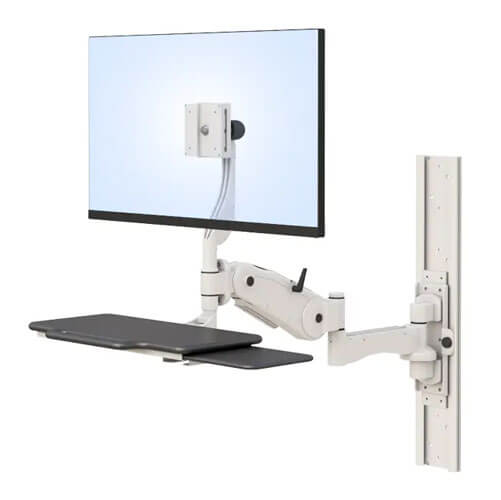
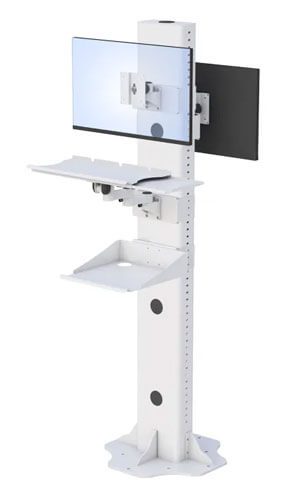
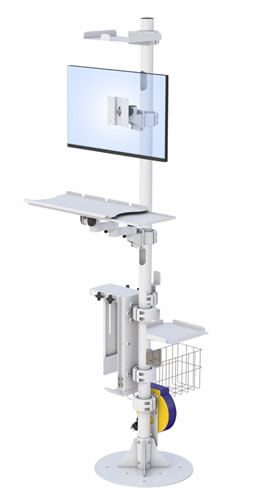
Load capacity ensures that racks can support heavy equipment, while cable management keeps systems organized and easy to maintain. Scalability allows organizations to expand their infrastructure as needed. Pairing with solutions like computer carts or ergonomic mounts can improve accessibility and integration.
How Do Smart Racks Support Scalability and Future Growth?
Smart racks support scalability by allowing systems to expand without disrupting existing infrastructure.
As organizations grow, their IT needs evolve. Smart racks are designed to accommodate additional equipment, making it easier to scale operations without major disruptions. Competitors like APC emphasize scalability and enterprise use cases, highlighting the importance of future-ready infrastructure.
What Types of Smart Racks Are Available?
Which Smart Rack Setup Fits Your Needs?
The right smart rack depends on your environment, equipment requirements, and scalability needs.
Understanding the different types available helps ensure your infrastructure is efficient and adaptable.
1. Server Smart Racks
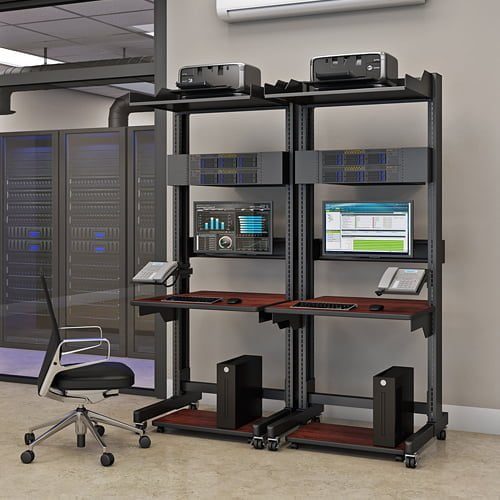
Server racks are designed to house servers and networking equipment.
They provide structure and organization for IT systems.
2. Data Center Smart Racks
Data center racks are built for high-density environments.
They support large-scale operations and continuous performance.
3. Network Smart Racks
Network racks are used to organize switches, routers, and communication devices.
They improve connectivity and system management.
4. Modular Smart Rack Systems
Modular racks allow organizations to expand and reconfigure setups as needed.
They are ideal for growing IT environments.
5. Custom Smart Racks
Custom racks are designed to meet specific operational requirements.
Pairing with custom products and accessories creates a tailored solution.
How Do You Choose the Right Smart Rack?
What Factors Should You Consider Before Buying a Smart Rack?
Choosing the right smart rack requires evaluating load capacity, equipment type, scalability, and environment.
Think about the size and weight of your equipment, as well as how your infrastructure may grow over time. Consider airflow requirements and how the rack will fit into your space. Integrating with solutions like security control rooms can create a more efficient operational setup.
How Do Smart Racks Improve Efficiency and ROI?
Smart racks improve efficiency by reducing downtime, improving organization, and supporting system scalability.
When equipment is properly organized and cooled, systems perform better and require less maintenance. This leads to improved productivity and reduced operational costs. Over time, investing in smart racks results in a stronger return on investment.
Where Are Smart Racks Used and Why Do They Matter?
What Real-World Use Cases Show Their Value?
Smart racks are widely used in data centers, IT environments, control rooms, and enterprise operations.
In data centers, they support high-density computing. In IT environments, they improve system organization and maintenance. In control rooms, they ensure continuous monitoring and performance. Their role in supporting modern infrastructure makes them essential across industries.
Conclusion: Choosing the Right Smart Rack for Long-Term Performance
Smart racks are more than just storage solutions—they are critical components of modern IT infrastructure. The right setup improves performance, scalability, and efficiency while supporting long-term growth.
If you’re ready to upgrade your infrastructure, explore smart racks or connect through the contact page to find the right solution for your needs.