
Security Control Room: How to Design the Right Setup for Performance and Safety
Why Is a Security Control Room Critical for Operations and Safety?
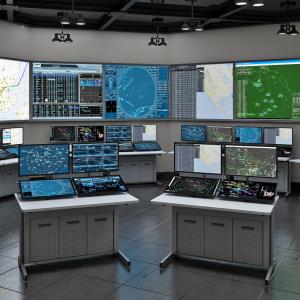
A security control room is critical because it centralizes monitoring, improves response time, and ensures operational safety.
In high-stakes environments, missing a single alert can lead to serious consequences. Whether it’s a security breach, system failure, or operational disruption, response time is everything. A well-designed control room ensures that operators have full visibility of systems and can react quickly and effectively. Without proper structure and layout, even the best technology can fail to deliver results.
What Makes an Effective Security Control Room Design?
How Does Control Room Layout Impact Performance?
Control room layout directly impacts performance by improving visibility, communication, and workflow efficiency.
When operators have clear sightlines to all displays and systems, they can process information faster and make better decisions. Poor layout can lead to blind spots, delays, and confusion. A well-planned layout ensures that every screen, system, and tool is positioned for maximum efficiency and accessibility.
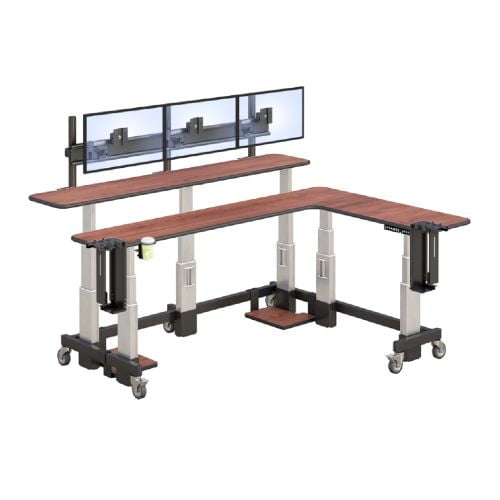
What Role Do Control Room Consoles Play?
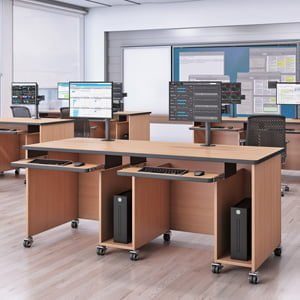
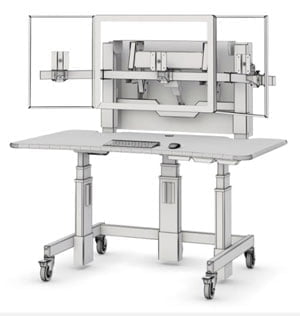
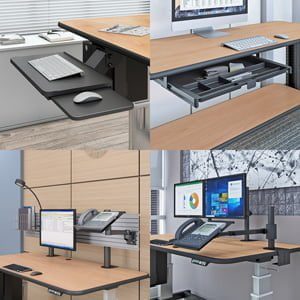
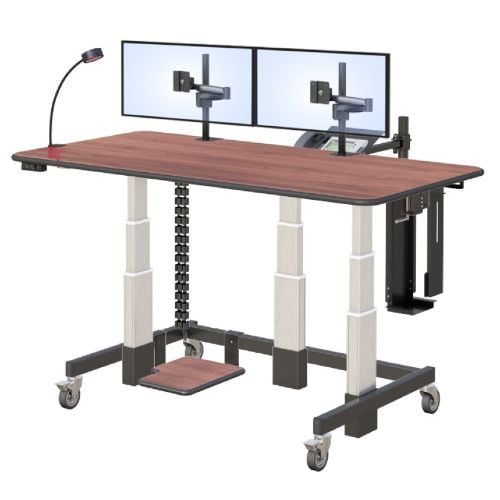
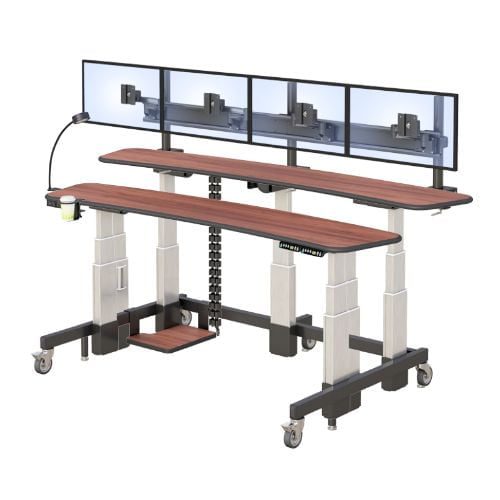
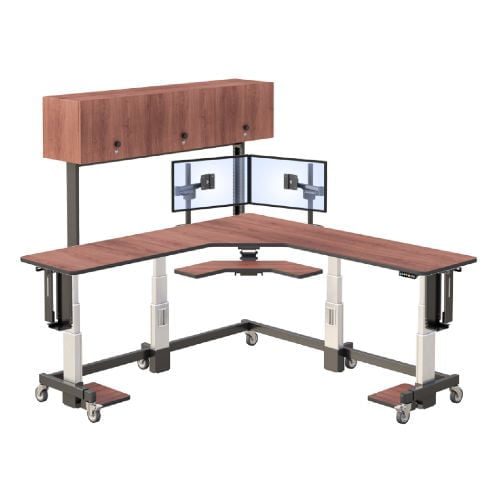
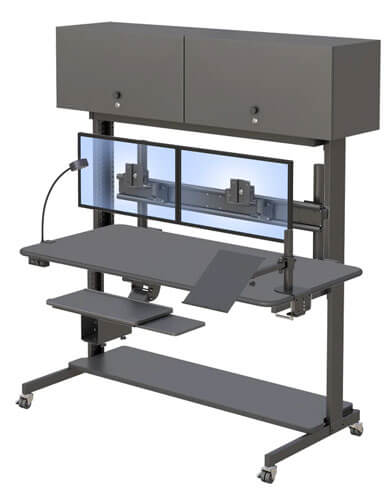
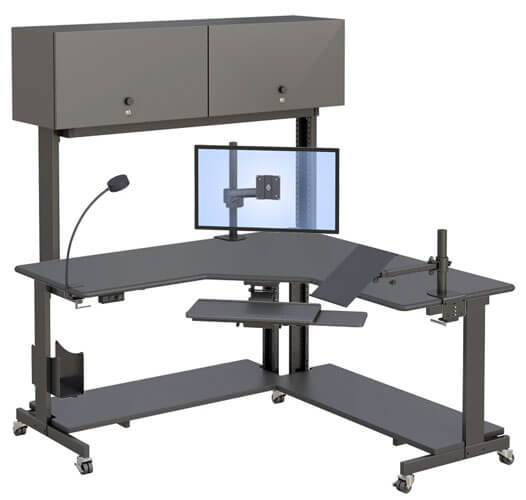
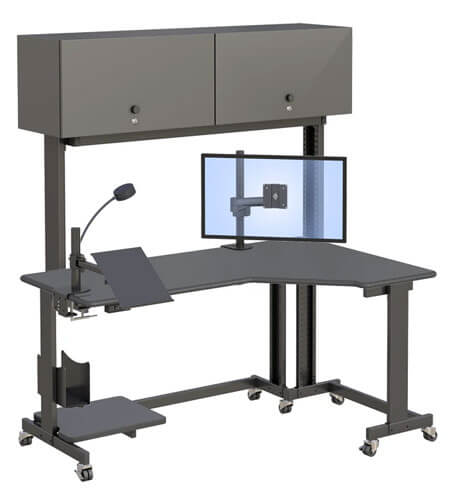
Control room consoles are essential for supporting ergonomics, organization, and multi-screen monitoring.
Operators often work long shifts, and poorly designed workstations can lead to fatigue and reduced performance. Consoles provide structured workspaces that support multiple monitors, equipment, and comfortable positioning. Integrating with solutions like security control rooms ensures that your setup is designed for both performance and usability.
How Do Security Control Room Systems Improve Monitoring?
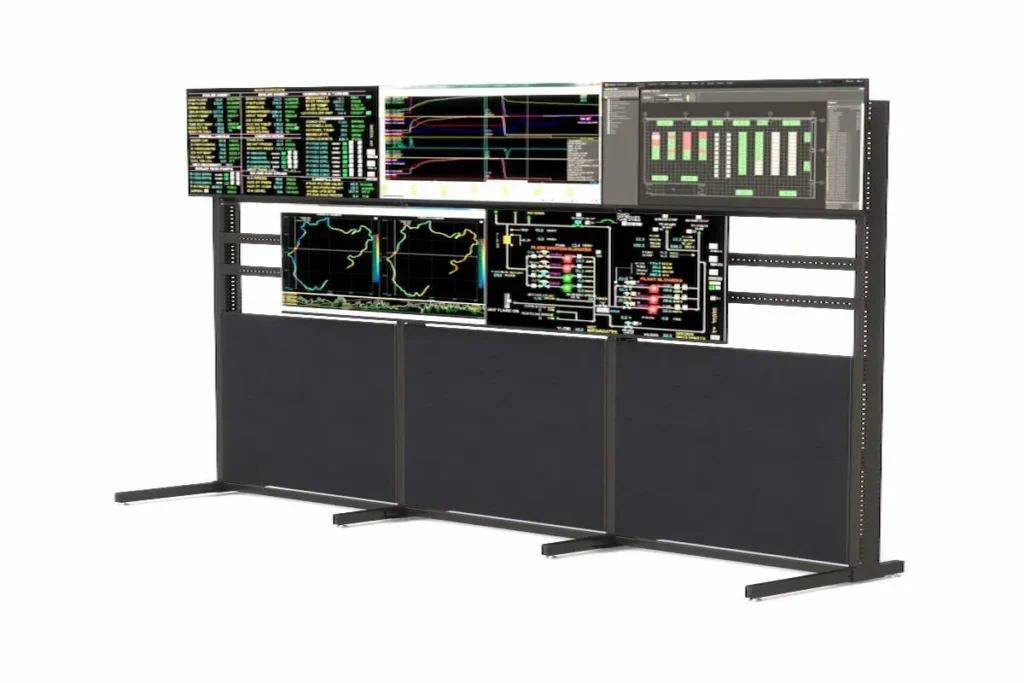
Control room systems improve monitoring by integrating data, alerts, and systems into one centralized environment.
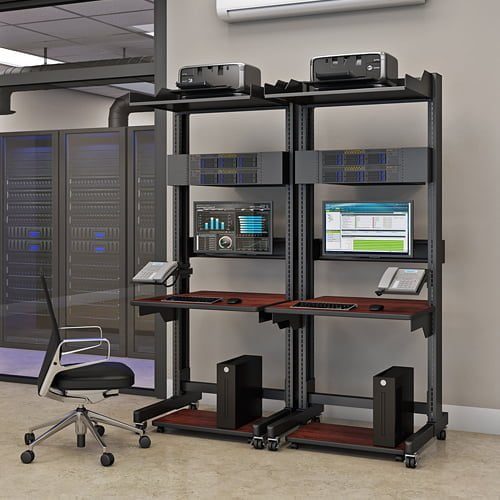
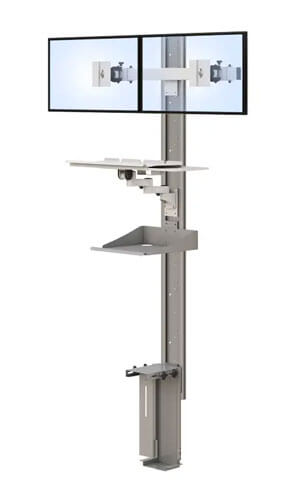
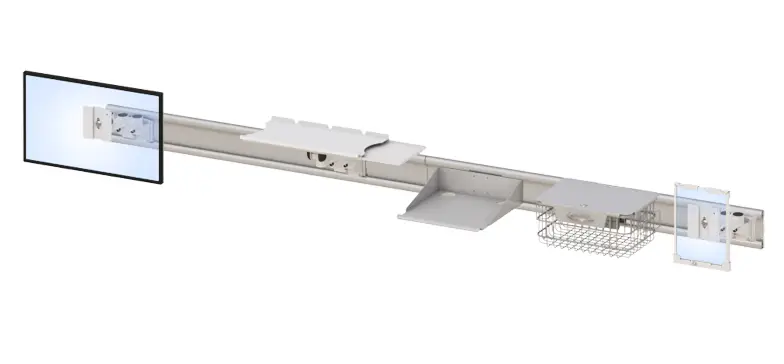
Instead of managing multiple disconnected tools, operators can access everything from a single interface. This improves efficiency and reduces the risk of missed information. Pairing with solutions like smart racks helps organize backend infrastructure, while ergonomic mounts optimize display positioning.
What Types of Security Control Room Setups Are Available?
Which Control Room Setup Fits Your Industry?
The right control room setup depends on your industry, operational requirements, and monitoring needs.
Different industries require different configurations, making it important to choose a setup that aligns with your specific environment.
1. Law Enforcement Control Rooms
These control rooms focus on surveillance, emergency response, and public safety.
They require real-time monitoring and quick decision-making capabilities.
2. Security Operations Centers (SOC)
SOC environments are designed for cybersecurity monitoring and threat detection.
They rely on multiple screens and real-time data analysis.
3. Network Operations Centers (NOC)
NOC setups focus on IT infrastructure and system uptime.
They require continuous monitoring of networks and servers.
4. Transportation and Traffic Control Rooms
These control rooms manage traffic flow, logistics, and transportation systems.
They depend on real-time data and system coordination.
5. Utility and Energy Control Rooms
Utility control rooms monitor infrastructure such as power grids and water systems.
They require high reliability and constant system visibility.
How Do You Design the Right Security Control Room?
What Factors Should You Consider Before Building a Control Room?
Designing the right control room requires evaluating layout, ergonomics, scalability, and system integration.
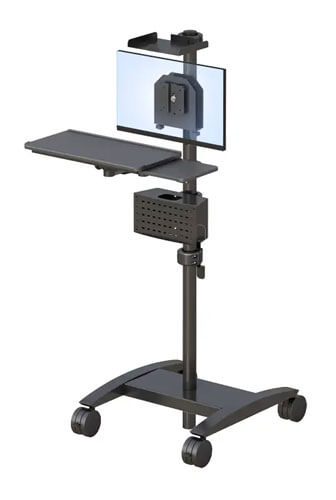
Think about how operators will interact with systems daily and what level of visibility is required. Consider how your operations may grow in the future and whether your setup can scale accordingly. Integrating with solutions like computer carts and custom products can help create a flexible and efficient environment.
How Does a Well-Designed Control Room Improve Efficiency and ROI?
A well-designed control room improves efficiency by reducing errors, improving response time, and supporting operator performance.
When systems are organized and easy to manage, operators can focus on critical tasks instead of navigating complex setups. This leads to faster decision-making and fewer operational disruptions. Over time, these improvements result in cost savings and a stronger return on investment.
Where Are Security Control Rooms Used and Why Do They Matter?
What Real-World Use Cases Show Their Value?
Security control rooms are used in government facilities, enterprises, utilities, transportation systems, and IT environments.
In government operations, they support public safety and emergency response. In enterprise settings, they protect assets and monitor operations. In utilities and transportation, they ensure system reliability and efficiency. Their ability to centralize monitoring and improve response makes them essential in any critical environment.
Conclusion: Designing a Security Control Room for Long-Term Success
A security control room is more than just a monitoring space—it is the core of your operational strategy. The right design improves visibility, enhances performance, and ensures that your team can respond effectively to any situation.
If you’re ready to build or upgrade your control room, explore security control rooms or connect through the contact page to find the right solution for your needs.