
Remote Radiology Companies: Reshaping Modern Healthcare
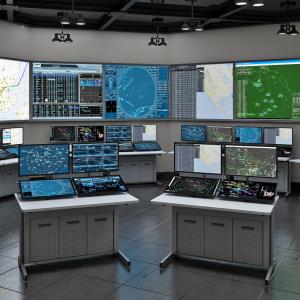
Remote radiology companies are transforming how healthcare organizations manage diagnostic imaging workflows. As hospitals and imaging centers adopt hybrid healthcare models, cloud-based PACS systems, and AI-assisted diagnostics, radiologists are increasingly working from distributed reading environments instead of traditional hospital reading rooms.
This shift has created growing demand for ergonomic workstation systems that support long imaging sessions, multi-monitor workflows, and long-term comfort. Poor workstation setups can contribute to neck strain, posture discomfort, eye fatigue, and workflow inefficiencies that affect both productivity and radiologist wellbeing.
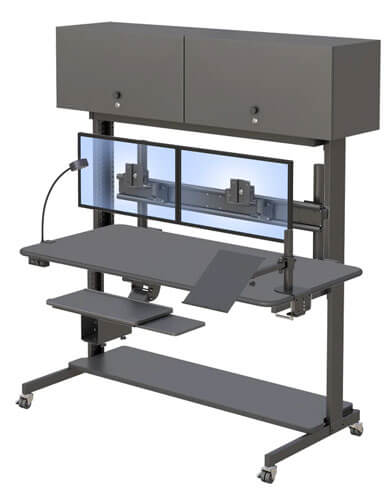
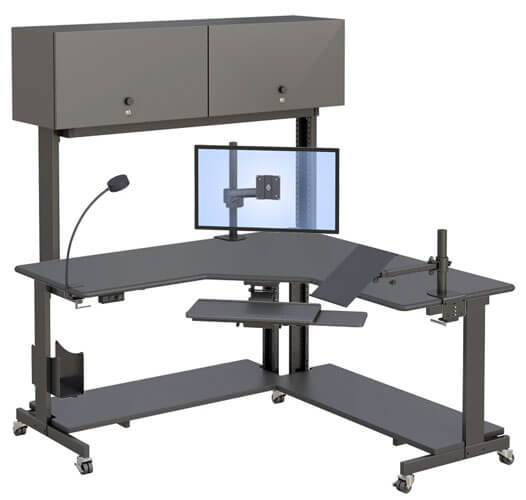
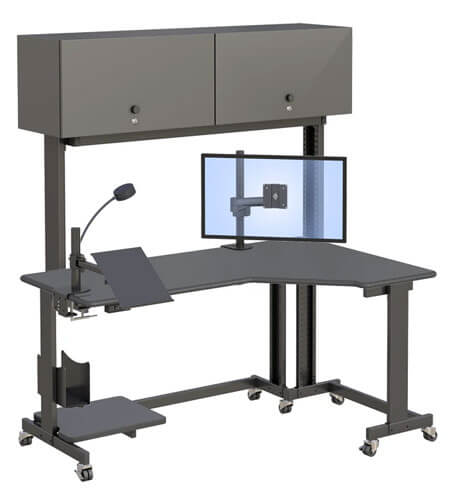
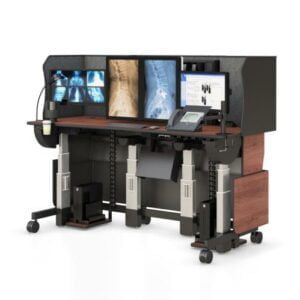
Healthcare organizations are increasingly investing in radiology workstation solutions and radiology home workstation solutions that help support more sustainable remote imaging workflows. Modern teleradiology environments now focus heavily on workstation ergonomics, monitor flexibility, workflow organization, and scalable infrastructure that supports both operational efficiency and long-term diagnostic performance.
Table of Contents
- Why Are Remote Radiology Companies Growing So Quickly?
- What Makes a Remote Radiology Workstation More Efficient?
- How Should Imaging Professionals Build a Sustainable Home Radiology Setup?
- How Are AI and Hybrid Healthcare Changing Remote Radiology?
- Frequently Asked Questions
Why Are Remote Radiology Companies Growing So Quickly?
Remote radiology companies are growing rapidly because healthcare organizations need more flexible imaging coverage, scalable workflows, and distributed diagnostic support. Hospitals and imaging centers now rely on remote radiologists to help improve turnaround times, provide after-hours coverage, and support growing imaging demands across multiple locations.
Cloud-based imaging systems allow radiologists to securely review medical imaging studies remotely while remaining connected to PACS systems and healthcare teams. This flexibility helps healthcare providers maintain imaging coverage while supporting more adaptable staffing and operational models.
Healthcare organizations are increasingly recognizing that successful remote imaging workflows depend not only on software systems but also on workstation design and ergonomic usability.
Modern teleradiology environments now prioritize:
- Ergonomic workstation systems
- Multi-monitor flexibility
- Organized workflow layouts
- Long-session comfort
- Remote collaboration support
As hybrid healthcare operations continue expanding, remote radiology companies are becoming a permanent part of modern diagnostic healthcare infrastructure.
Why Are Hybrid Imaging Workflows Becoming More Common?
Hybrid imaging workflows combine remote and in-office diagnostic operations. This approach allows healthcare organizations to improve staffing flexibility while supporting distributed imaging teams across multiple facilities.
Modern healthcare systems increasingly use hybrid workflows to:
- Expand imaging coverage
- Improve operational flexibility
- Support remote diagnostics
- Reduce staffing limitations
- Improve workflow scalability
Professional-grade workstation environments are becoming increasingly important as remote imaging workflows continue growing across healthcare systems.
How Do Remote Radiology Companies Support Hospitals?
Remote radiology companies help hospitals improve diagnostic coverage and workflow flexibility. Many healthcare facilities use remote radiology providers to assist with:
- Overnight imaging coverage
- Emergency imaging interpretation
- Staffing shortages
- Distributed healthcare operations
- Faster report turnaround support
Cloud-based workflows help imaging teams collaborate efficiently regardless of physical location.
Why Is Ergonomic Workstation Planning Important in Teleradiology?
Remote radiologists often spend long hours reviewing highly detailed imaging studies with minimal movement throughout the day. Poor workstation ergonomics can contribute to:
- Neck strain
- Eye fatigue
- Back discomfort
- Reduced concentration
- Workflow inefficiencies
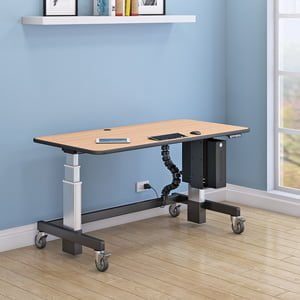
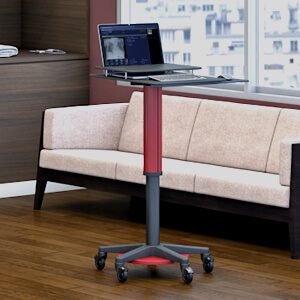
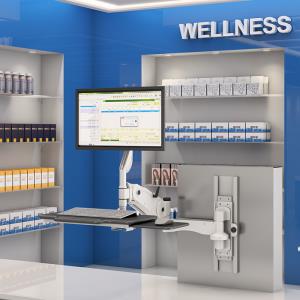
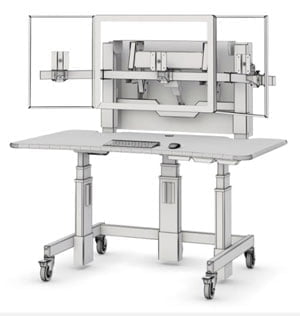
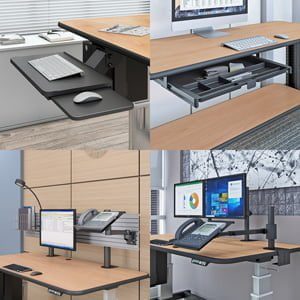
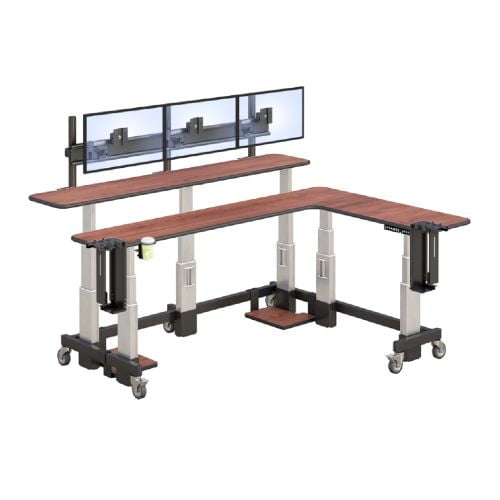
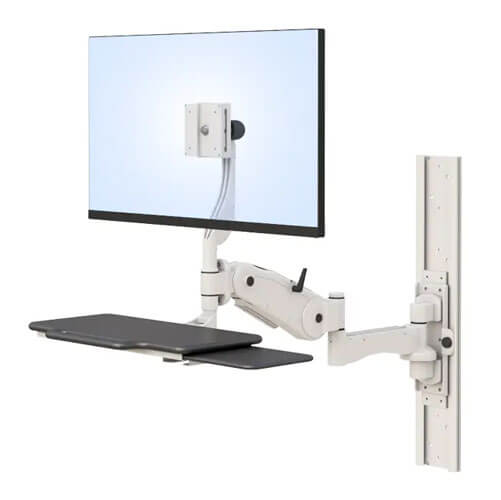
Healthcare organizations are increasingly implementing standing workstation solutions, ergonomic monitor mounts, and adjustable radiology desks to support healthier and more sustainable imaging workflows.
What Makes a Remote Radiology Workstation More Efficient?
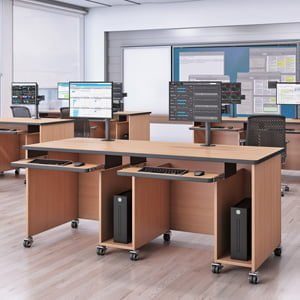
An efficient remote radiology workstation supports both workflow performance and long-term comfort. Modern remote imaging environments now prioritize ergonomic movement, monitor flexibility, and organized workstation layouts that help radiologists maintain concentration during extended reading sessions.
Efficient workstation environments often include:
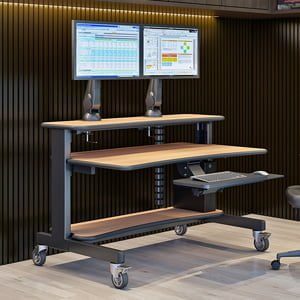
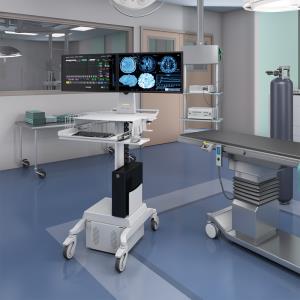
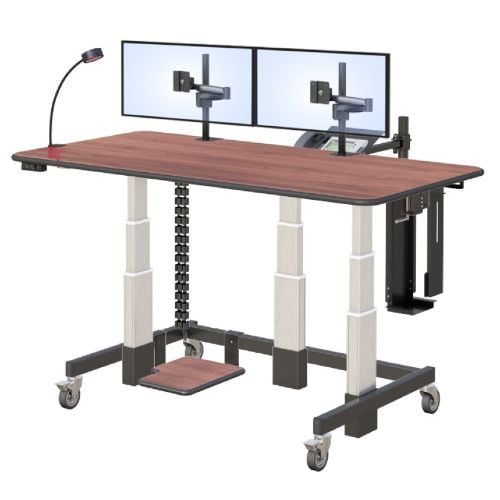
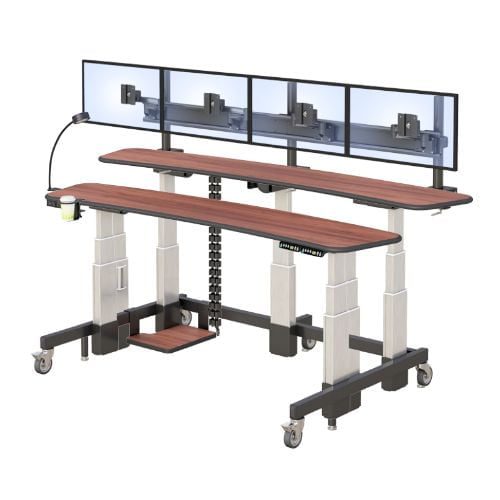
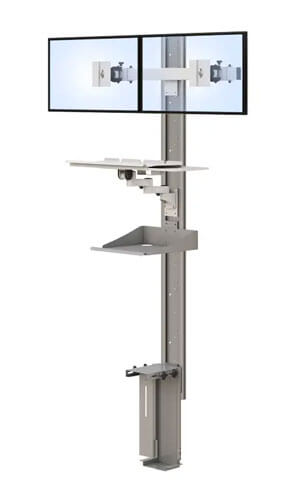
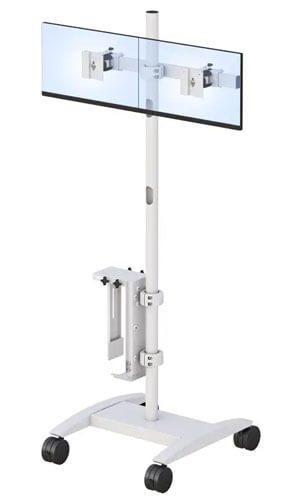
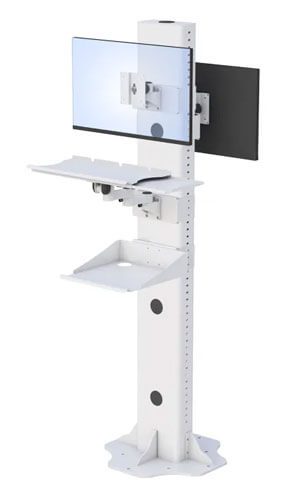
- Multi-monitor workstation systems
- Ergonomic monitor positioning
- Sit-stand workstation flexibility
- Organized cable management
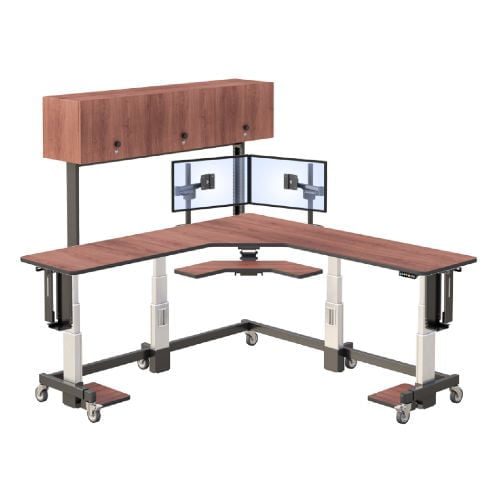
- Adjustable workstation layouts
- Personalized workflow configurations
Healthcare organizations are increasingly investing in workstation environments designed to reduce fatigue while supporting long-term workflow sustainability.
Why Is Multi-Monitor Positioning Important in Remote Radiology?
Radiologists frequently work across multiple displays simultaneously for PACS imaging, reporting systems, communication tools, and workflow management.
Poor monitor positioning can create uncomfortable viewing angles that contribute to repetitive movement and physical strain. Optimized multi-monitor layouts help:
- Improve workflow visibility
- Reduce repetitive neck movement
- Improve image accessibility
- Support diagnostic focus
- Create more comfortable reading environments
Flexible monitor positioning systems allow radiologists to personalize workstation layouts based on workflow preferences and ergonomic needs.
How Do Adjustable Workstations Improve Remote Imaging Workflows?
Sit-stand workstation systems allow radiologists to alternate between sitting and standing positions throughout long diagnostic sessions. This flexibility helps support:
- Better movement during shifts
- Reduced prolonged sitting
- Improved posture support
- Greater workstation adaptability
- Long-term comfort
Healthcare providers are increasingly recognizing workstation flexibility as part of broader radiologist wellness and burnout prevention efforts.
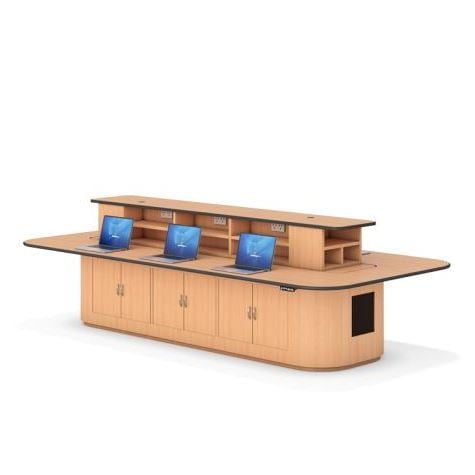
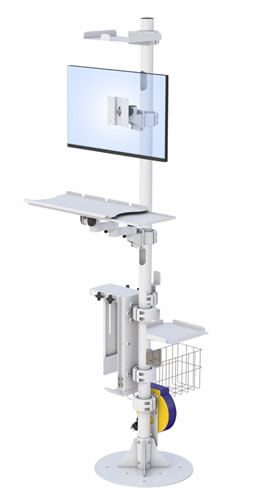
Healthcare organizations seeking more adaptable imaging environments are also exploring custom healthcare workstations and OEM workstation solutions designed around specialized workflow requirements.
Why Does Workspace Organization Matter in Home PACS Setups?
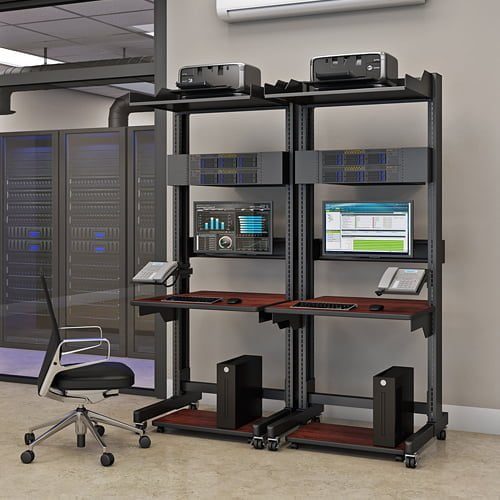
Home PACS workstations often involve multiple displays, dictation tools, imaging software, and connected devices. Without organized workstation layouts, workspaces can quickly become cluttered and distracting.
Integrated cable management and organized workstation systems help:
- Improve workflow clarity
- Reduce distractions
- Improve equipment accessibility
- Support cleaner work environments
- Improve operational efficiency
Well-organized workstations often contribute to smoother and more productive remote imaging workflows.
How Should Imaging Professionals Build a Sustainable Home Radiology Setup?
Building a sustainable home radiology setup involves balancing workflow performance, ergonomic comfort, and long-term usability. Remote imaging environments must support multiple monitors, PACS workflows, communication tools, and extended reading sessions without creating unnecessary physical strain.
Healthcare professionals are increasingly investing in:
- Adjustable workstation systems
- Flexible monitor configurations
- Ergonomic desk layouts
- Workspace organization tools
- Long-session workstation comfort
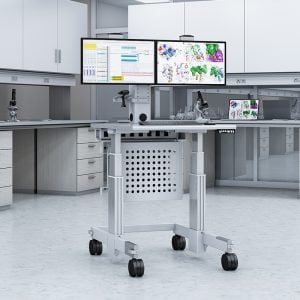
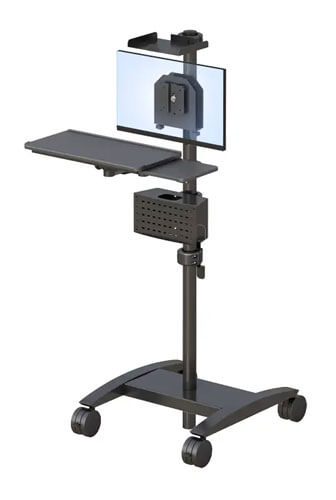
Many imaging teams also integrate medical carts for imaging teams and telemedicine equipment solutions that support workflow flexibility and remote collaboration.
Sustainable home workstation environments help radiologists maintain comfort and productivity throughout long diagnostic sessions.
What Features Should a Home Radiology Workstation Include?
A home radiology workstation should support:
- Adjustable monitor systems
- Sit-stand flexibility
- Ergonomic positioning
- Workflow organization
- Multi-monitor compatibility
- Long-term usability
Modern home imaging environments increasingly prioritize workstation flexibility and scalability as remote healthcare operations continue expanding.
Why Are Personalized Workstation Layouts Becoming More Popular?
Every radiologist has different workflow habits, monitor preferences, and ergonomic needs. Personalized workstation layouts help create more comfortable and efficient imaging environments tailored to individual workflows.
Customized workstation environments may help support:
- Better comfort
- Improved concentration
- Workflow consistency
- Long-term usability
Healthcare organizations increasingly recognize that personalized workstation systems can improve both productivity and radiologist wellbeing.
How Can Imaging Professionals Future-Proof Their Workstations?
Healthcare technology continues evolving rapidly as AI-assisted diagnostics and cloud-based imaging systems become more common.
Imaging professionals can improve long-term adaptability through:
- Flexible workstation systems
- AI-ready imaging environments
- Scalable monitor configurations
- Organized workflow infrastructure
- Remote collaboration support
Organizations investing in scalable workstation systems are better positioned to support future healthcare workflow demands.
How Are AI and Hybrid Healthcare Changing Remote Radiology?
AI-assisted diagnostics and hybrid healthcare workflows are reshaping how radiologists interact with imaging systems and remote reading environments. Today’s imaging professionals now work with more digital tools, collaborative systems, and cloud-based platforms than ever before.
Modern remote radiology environments increasingly require:
- Flexible workstation systems
- AI-ready workflows
- Remote collaboration support
- Cloud-based imaging integration
- Scalable diagnostic infrastructure
Healthcare organizations are moving toward workstation environments designed to evolve alongside rapidly changing healthcare technology and operational needs.
Companies like AFC Industries continue helping healthcare organizations create adaptable imaging environments optimized for modern radiology workflows.
Healthcare professionals can also explore additional imaging workspace insights through the AFC Industries blog.
Frequently Asked Questions
What are remote radiology companies?
Remote radiology companies provide diagnostic imaging services through cloud-based and distributed radiology workflows.
What is a PACS workstation?
A PACS workstation is a specialized imaging system radiologists use to access and review medical imaging studies.
Why are ergonomic workstations important in teleradiology?
Ergonomic workstations help reduce physical strain and improve comfort during long remote diagnostic sessions.
What makes a good radiology home workstation?
A good radiology home workstation supports ergonomic comfort, workflow organization, monitor flexibility, and long-term productivity.
Why are sit-stand desks becoming more common in radiology?
Sit-stand workstation systems help radiologists alternate between sitting and standing positions, which may improve comfort during long reading sessions.
How can radiologists reduce fatigue while working remotely?
Radiologists can reduce fatigue through ergonomic workstation positioning, organized workspaces, movement-friendly workstation setups, and flexible monitor configurations.