
Radiology Standing Desks Are Reshaping Imaging Workflows in 2026
Modern imaging environments are evolving rapidly, and radiologists are now expected to manage higher imaging volumes, longer reading sessions, and more advanced diagnostic workflows than ever before. As healthcare facilities continue modernizing their reading rooms, the demand for ergonomic, flexible, and multi-monitor-friendly workstation environments is growing across hospitals, imaging centers, and home radiology offices.
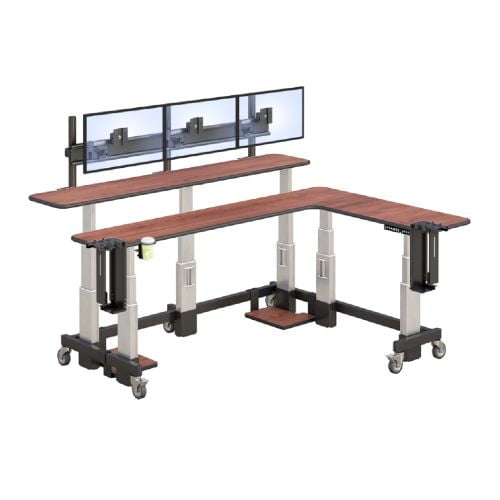
A well-designed radiology standing desk is no longer viewed as a simple office upgrade. It has become an essential part of improving workflow efficiency, supporting radiologist wellness, and creating a more adaptable imaging environment. From PACS integration to multi-monitor support, today’s radiology workstations must balance comfort, organization, and productivity without sacrificing diagnostic performance.
Healthcare facilities investing in modern ergonomic solutions are also prioritizing workstation flexibility to support hybrid work trends, AI-assisted imaging workflows, and increasingly complex radiology setups. Solutions like radiology standing desks, radiology office workstation solutions, and ergonomic standing desks are helping imaging professionals create workspaces that support both performance and long-term comfort.
Why Are Radiology Standing Desks Becoming More Popular?
Radiologists often spend hours reviewing imaging studies with minimal movement throughout the day. This prolonged sitting environment can contribute to neck strain, lower back discomfort, fatigue, and reduced focus during diagnostic interpretation. As imaging demands continue increasing, healthcare facilities are recognizing the importance of ergonomic workstation design.
A modern radiology standing desk allows imaging professionals to alternate between sitting and standing positions throughout the workday. This flexibility promotes better posture, improves circulation, and helps reduce the physical stress associated with extended reading sessions. Many radiologists also report improved concentration and engagement when using adjustable workstations during high-volume imaging workflows.
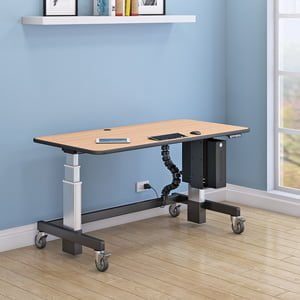
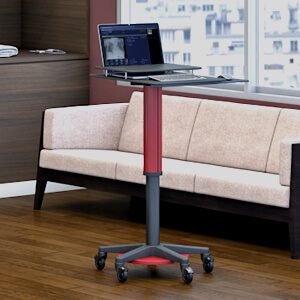
The shift toward ergonomic workspaces is also tied to the growing adoption of hybrid and remote radiology environments. More imaging professionals are building dedicated home reading rooms that replicate the efficiency and functionality of hospital workstations. This trend has increased interest in adaptable solutions like radiology home workstation setups that support productivity while maximizing comfort in smaller spaces.
At the same time, healthcare organizations are upgrading traditional reading rooms to support modern imaging technologies and evolving workflow demands. Facilities are looking for workstation systems that combine ergonomic adjustability with professional-grade monitor support, cable organization, and scalable workstation configurations.
Modern Imaging Centers Need Smarter Workstation Designs
Imaging centers today operate in a far different environment than they did only a few years ago. Radiologists now manage larger imaging datasets, higher-resolution displays, and increasingly sophisticated PACS workflows that require seamless workstation organization.
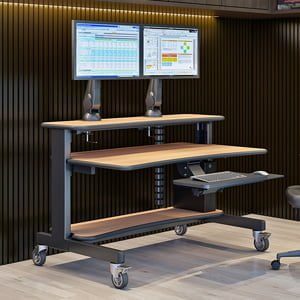
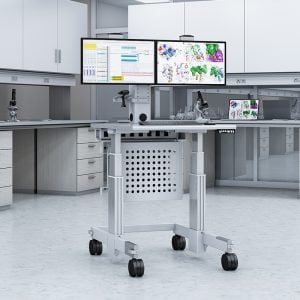
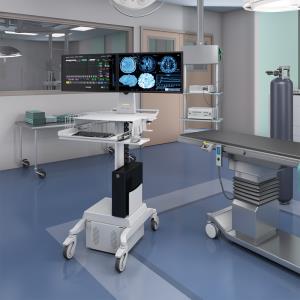
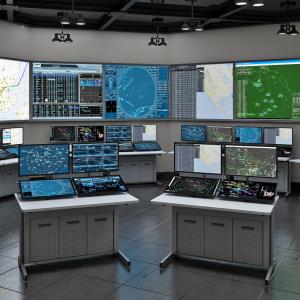
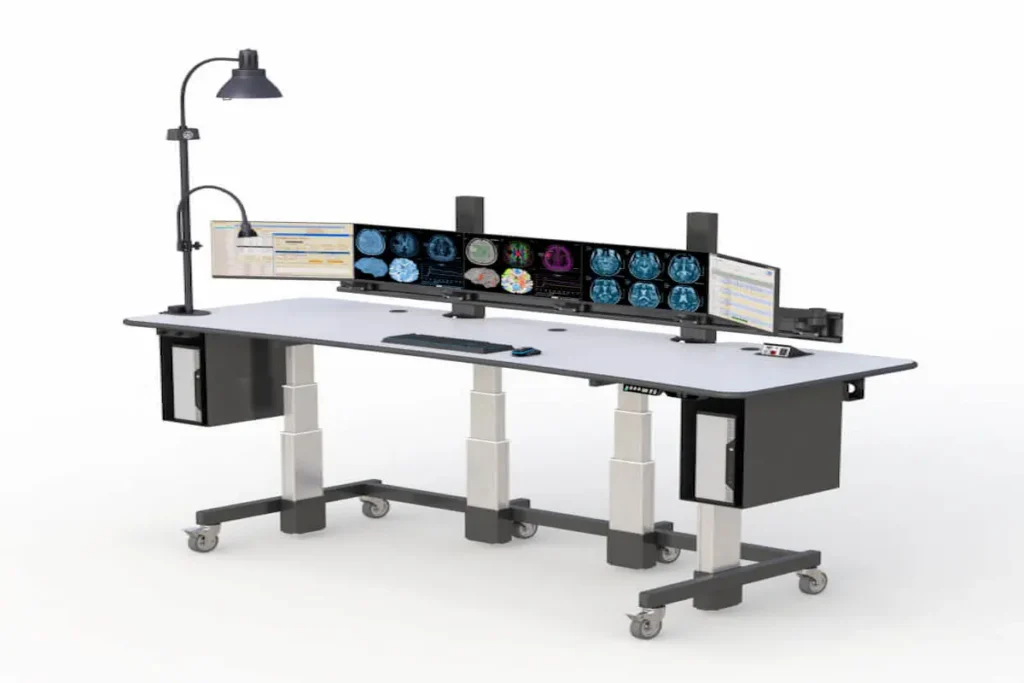
Modern radiology reading rooms frequently utilize multi-monitor configurations ranging from dual displays to advanced six-monitor or eight-monitor diagnostic environments. These setups help radiologists simultaneously review imaging studies, patient histories, reporting tools, and communication systems without interrupting workflow continuity.
A properly designed radiology workstation must support this level of complexity while maintaining ergonomic efficiency. Workstations that lack proper monitor support or workspace organization can create cluttered environments that negatively impact both productivity and user comfort.
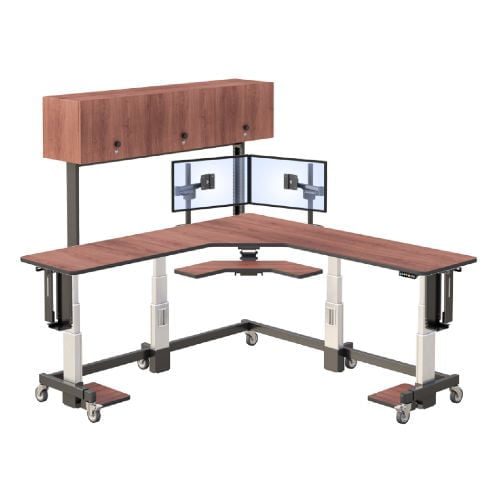
Healthcare facilities are also placing more emphasis on workstation scalability. Imaging departments need workstation systems that can evolve alongside changing technology requirements, monitor upgrades, and future workflow demands. Flexible solutions such as custom healthcare workstation systems provide organizations with the ability to adapt their workspaces as operational needs change.
As AI-assisted imaging technologies continue becoming part of diagnostic workflows, workstation environments must also accommodate additional software interfaces and workflow integrations. This is driving demand for cleaner workstation layouts, enhanced cable management systems, and more efficient workspace configurations.
Why Multi-Monitor Radiology Workstations Matter
One of the most important components of a modern radiology setup is monitor organization. Radiologists rely heavily on multiple displays to review detailed imaging studies efficiently and accurately. A workstation that cannot properly support multiple monitors can quickly create workflow inefficiencies and ergonomic problems.
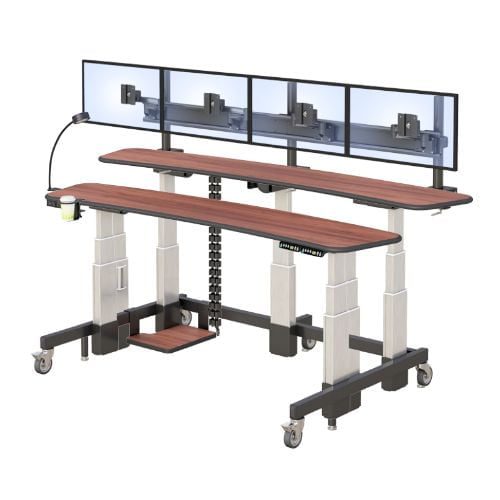
Advanced workstation environments now commonly support six-monitor and eight-monitor configurations, particularly in high-volume imaging departments. These setups allow radiologists to maintain better workflow continuity while reducing the need to constantly switch between applications or reposition imaging studies.
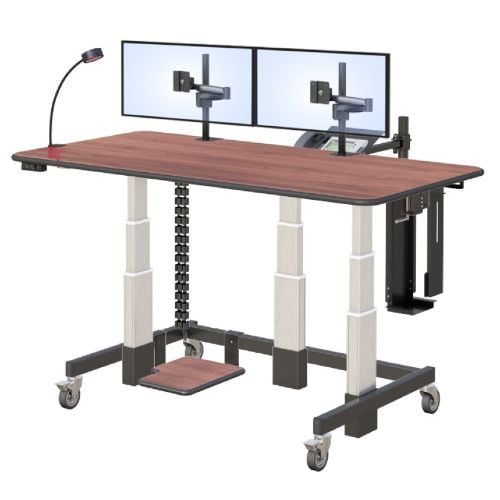
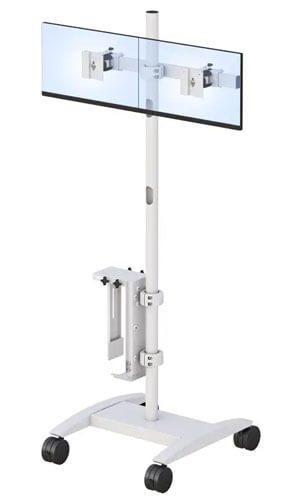
Solutions like multi-monitor radiology workstations help imaging professionals optimize display positioning while improving visibility and reducing neck strain. Adjustable monitor placement also allows radiologists to customize their workstation layout based on their preferred reading workflow.
Proper monitor support systems become especially important in reading rooms where radiologists spend extended periods reviewing complex imaging cases. Ergonomic monitor placement helps minimize repetitive strain while supporting more natural viewing angles during long diagnostic sessions.
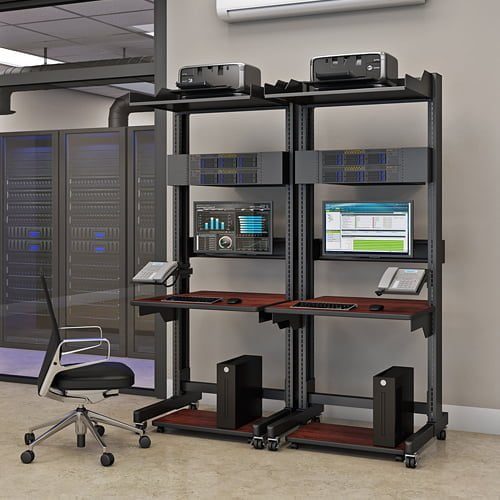
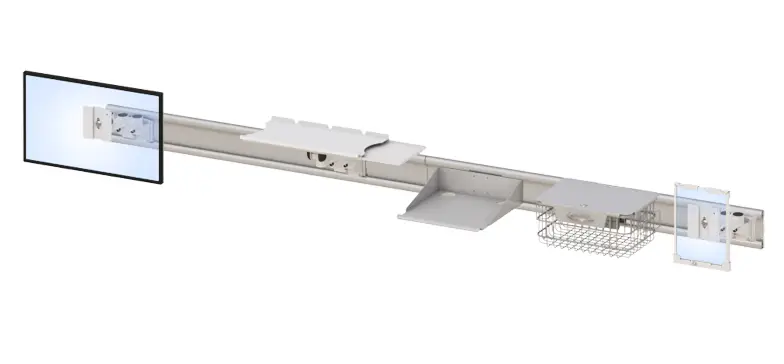
In addition to monitor positioning, workspace organization also plays a major role in workstation efficiency. Organized cable routing and cleaner workstation layouts help reduce distractions while maintaining a more professional imaging environment. Many healthcare facilities now prioritize integrated cable management systems to support cleaner and more efficient radiology reading rooms.
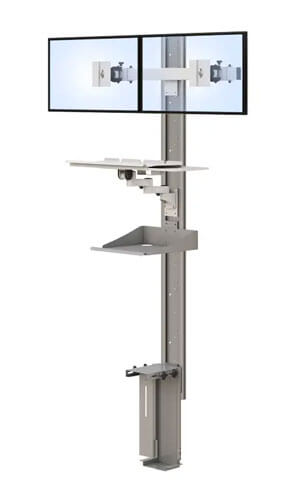
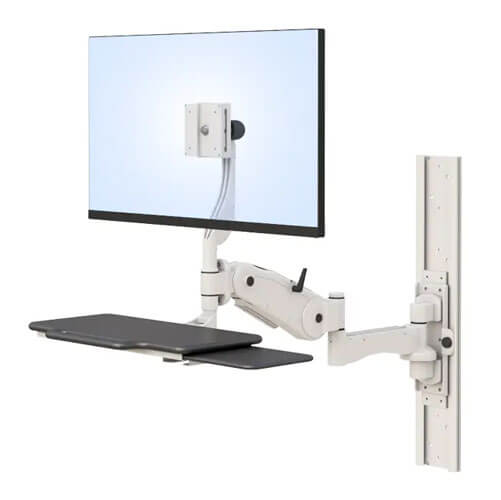
Modern ergonomic solutions such as ergonomic monitor mounts also help optimize workstation flexibility by allowing users to reposition displays as workflow demands change throughout the day.
Sit-Stand Workstations Support Long-Term Radiologist Wellness
Radiology professionals often experience physical fatigue due to repetitive workstation positioning and prolonged periods of sedentary work. Over time, this can contribute to discomfort, reduced focus, and workflow inefficiencies that affect both productivity and workplace satisfaction.
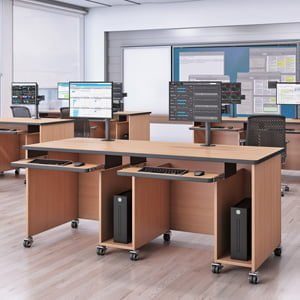
Sit-stand workstation systems provide a more flexible approach to radiology ergonomics by allowing users to alternate positions throughout the day. Instead of remaining seated for extended periods, radiologists can transition between sitting and standing while maintaining uninterrupted access to imaging systems and diagnostic tools.
This flexibility helps support better posture while encouraging movement during long reading sessions. Many healthcare organizations are increasingly investing in ergonomic workstation strategies because they recognize the long-term value of improving workplace comfort and reducing physical strain among imaging professionals.
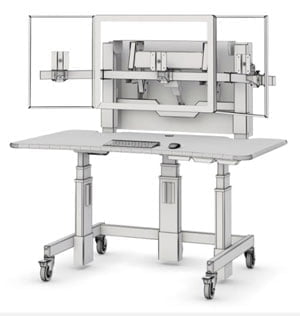
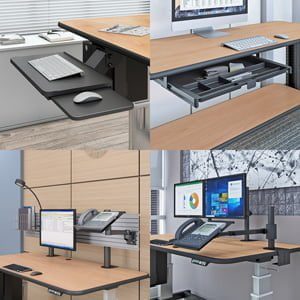
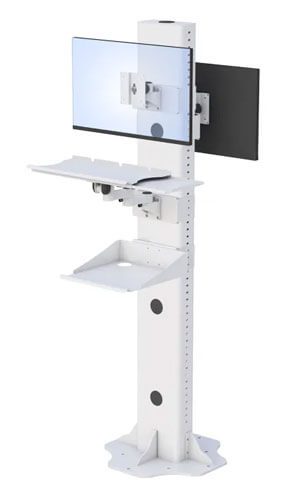
Modern stand-up workstation desk PACS solutions are specifically designed to accommodate demanding radiology workflows while supporting ergonomic adaptability. These systems combine monitor support, adjustable work surfaces, and efficient workspace organization to create a more sustainable reading environment.
As healthcare providers continue modernizing imaging departments, workstation wellness is becoming an important part of broader operational efficiency discussions. Facilities that prioritize ergonomic workstation design are better positioned to support employee comfort while improving long-term workflow performance.
Home Radiology Workstations Continue Growing
The growth of remote and hybrid radiology work environments has significantly increased interest in professional-grade home workstation solutions. Many imaging professionals now require workstation systems that deliver hospital-level functionality within a residential workspace.
A properly designed home radiology workstation must balance monitor support, ergonomic adjustability, and space efficiency without compromising workflow performance. This is especially important for radiologists working with high-resolution imaging studies that demand consistent workstation reliability.
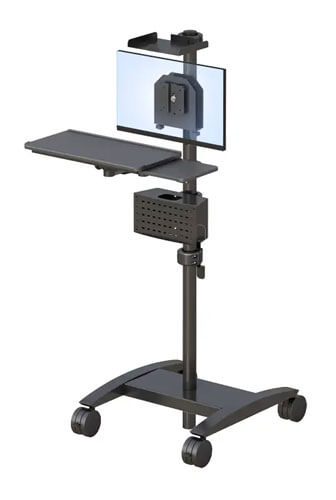
Solutions like home radiology workstation environments help professionals create more productive reading spaces while supporting long-term ergonomic comfort. Adjustable standing desks also provide greater flexibility in home offices where space limitations may require more adaptable workstation layouts.
As remote imaging continues evolving, healthcare organizations and radiologists alike are placing greater emphasis on workstation quality, flexibility, and ergonomic support. The ability to create an efficient and comfortable diagnostic environment outside of traditional hospital settings is becoming increasingly valuable in modern radiology workflows.
Choosing the Right Radiology Standing Desk
Selecting the right radiology standing desk involves more than simply choosing an adjustable workstation. Healthcare facilities and imaging professionals must evaluate monitor capacity, ergonomic functionality, workspace organization, and long-term workflow compatibility.
A workstation designed for radiology environments should support multiple diagnostic monitors while maintaining stability and ergonomic flexibility. Adjustable work surfaces, organized cable routing, and scalable monitor support systems all contribute to a more effective imaging workflow.
Healthcare buyers should also consider future workstation expansion needs. As imaging technologies evolve and workflow demands increase, workstation systems should remain adaptable enough to support additional monitors, accessories, and workflow integrations.
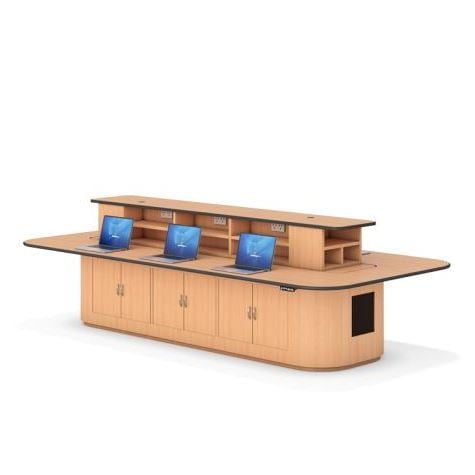
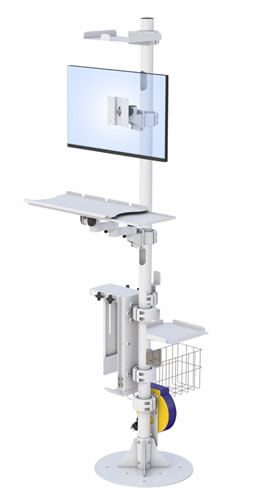
Organizations looking to improve their imaging environments often benefit from exploring complete technical workstation environments and customizable ergonomic systems that align with long-term operational goals.
Professionally designed ergonomic workstations are becoming an essential investment for imaging departments focused on improving comfort, efficiency, and workflow performance in modern radiology environments.
Frequently Asked Questions
What is a radiology standing desk?
A radiology standing desk is an ergonomic workstation designed for radiologists and imaging professionals that allows adjustable sitting and standing positions while supporting diagnostic monitors and PACS workflows.
Why do radiologists use multiple monitors?
Radiologists use multiple monitors to review imaging studies, access patient records, manage reporting systems, and improve workflow efficiency during diagnostic interpretation.
Are standing desks beneficial for radiologists?
Standing desks can help reduce fatigue, improve posture, and support healthier movement throughout long imaging review sessions.
What should a modern radiology workstation include?
A modern radiology workstation should include ergonomic adjustability, multi-monitor support, cable management, stable monitor mounting systems, and efficient workspace organization.
Can radiology workstations be used at home?
Yes. Many radiologists now use professional-grade home radiology workstation setups that support remote imaging workflows and hybrid reading environments.