

Workspace Solutions: Ergonomics, Design & Innovation for Modern Offices
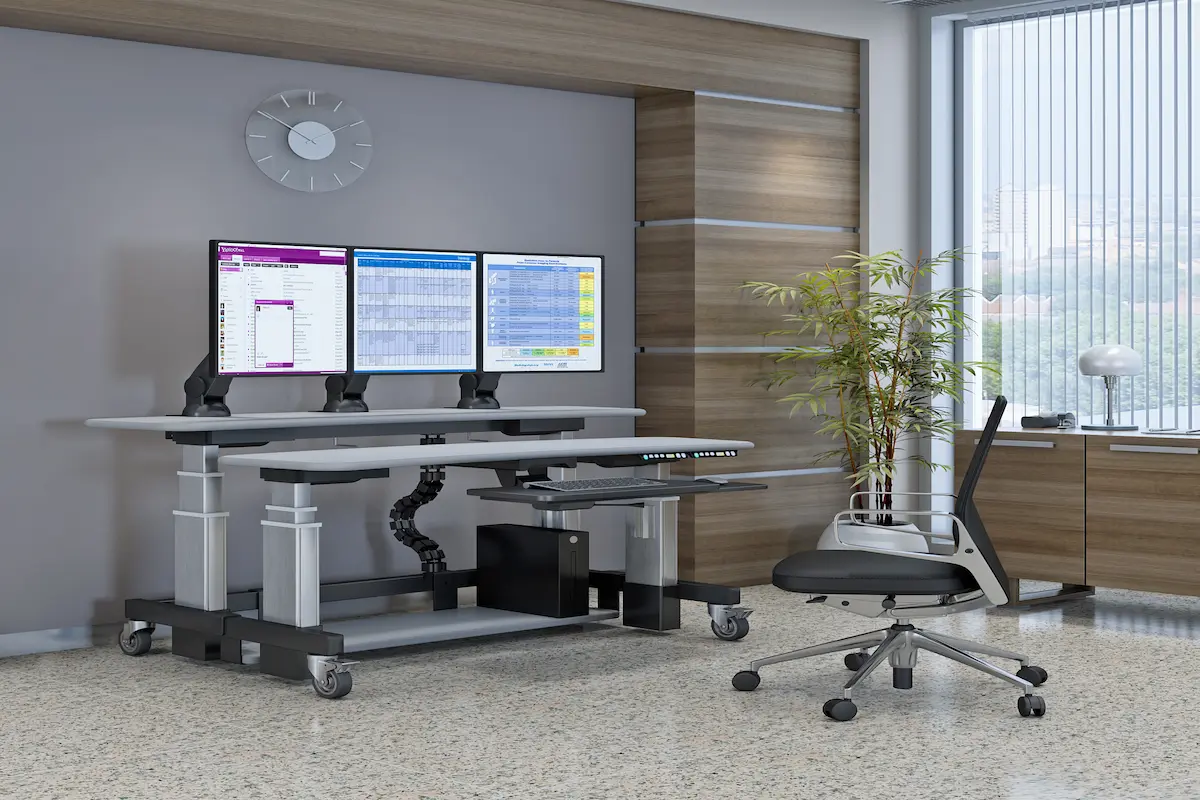
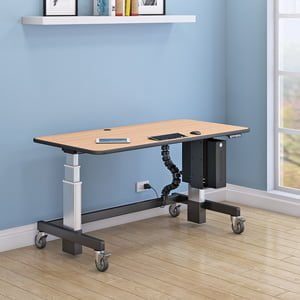
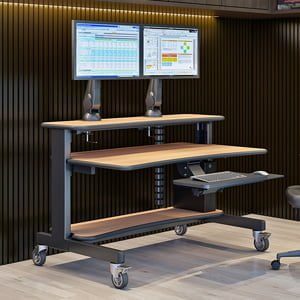
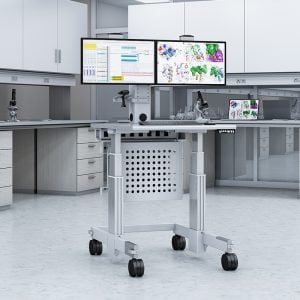
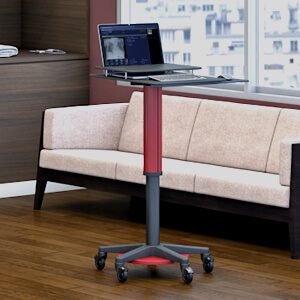
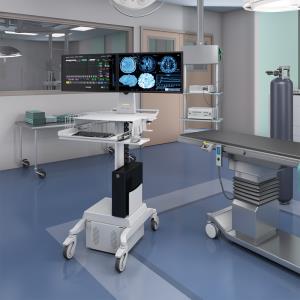
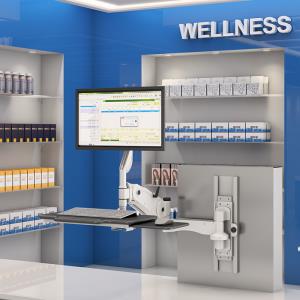
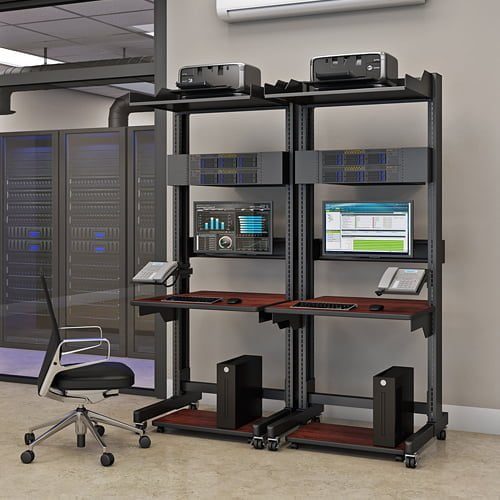
Modern ergonomic office workspace solutions with adjustable desk and computer workstation
Workspace solutions have become essential for businesses seeking to create environments where people work at their best. In New York’s competitive commercial landscape, the right combination of ergonomic furniture, smart design, and technology integration can transform how your team operates daily.
This guide covers practical approaches to office furniture selection, space optimization, and design strategies that matter for 2026 and beyond. Whether you’re an office manager planning renovations, an HR professional addressing employee comfort, or a business owner looking to optimize your investment, you’ll find actionable workspace insights here. We’ll focus on solutions that fit various budgets and specific needs, though product recommendations fall outside our scope.
Direct answer: Workspace solutions combine ergonomic office furniture, flexible workspace design solutions, and integrated technology to enhance employee productivity while protecting their health and well-being.
By reading this guide, you’ll gain:
- Understanding of how ergonomic fundamentals reduce workplace injuries
- Knowledge of flexible workspace solutions for hybrid environments
- Practical workspace management solutions for New York offices
- Clear implementation steps tailored to your budget
- ROI expectations for furniture and design investments
Understanding Modern Workspace Solutions
Modern workspace solutions represent systematic approaches to workplace design. They address physical comfort, technological requirements, and environmental factors simultaneously. For New York businesses, these solutions directly connect to employee retention and measurable productivity gains.
Ergonomic Fundamentals
Workplace ergonomics focuses on designing furniture and environments that fit human bodies naturally. According to OSHA data, properly designed workstations reduce musculoskeletal disorders by approximately 40%. This means fewer sick days, lower healthcare costs, and employees who can focus on their best work.
The connection between office furniture design and injury prevention is straightforward. Adjustable desks accommodate different body types. Task chairs with lumbar support prevent back strain during long work sessions. These aren’t luxuries—they’re functional necessities that protect your team’s health.
Technology Integration
Smart office technology plays a crucial role in modern workspace design solutions. Room booking systems, for instance, reduce scheduling conflicts by up to 30%. Digital displays and wireless screen-sharing create seamless collaboration experiences.
However, technology must complement physical space. The best workspace management solutions integrate power access, cable management, and device connectivity directly into furniture systems. This approach keeps workstations clean and intuitive to use.
Design Psychology
Spatial design affects how people work more than most realize. Research shows biophilic elements—plants, natural light, wood materials—can lower stress hormones by 15%. Open areas foster collaboration, while quiet zones support focused work.
Understanding these principles helps businesses create environments where employees naturally perform better. This foundation leads us to specific workspace solutions you can implement.
Types of Workspace Solutions
Building on these fundamentals, let’s explore the specific solutions available for your office environment.
Flexible Office Layouts
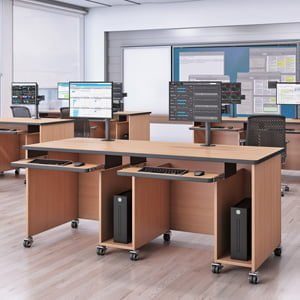
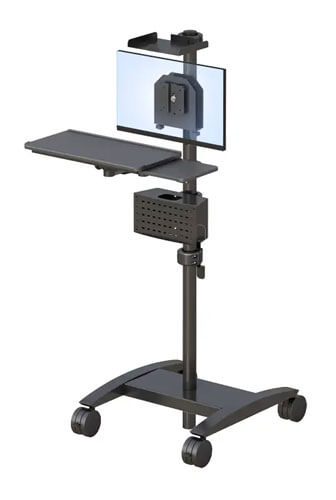
Flexible workspace solutions prioritize adaptability. Modular furniture with wheels enables teams to reconfigure spaces in under five minutes. This flexibility serves small teams of two people just as effectively as groups of fifty.
Open-plan configurations encourage collaboration and idea sharing. Meanwhile, private offices remain important for focused tasks and confidential conversations. The key lies in creating variety—different zones for different work modes.
Cost considerations matter here. While modular furniture carries higher upfront costs ($500-2,000 per unit), the long-term savings in real estate optimization can reach 15-20%.
Ergonomic Furniture Systems
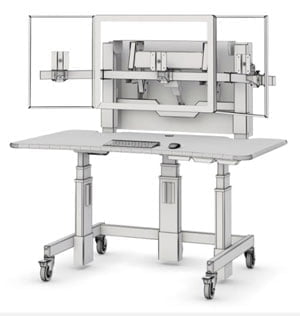
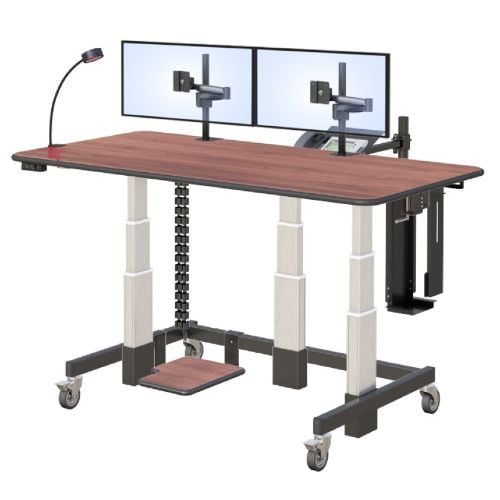
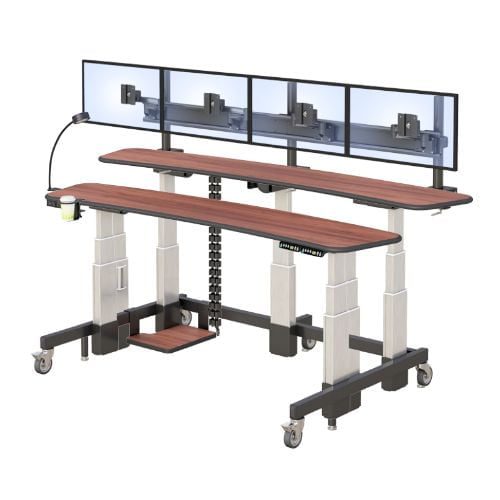
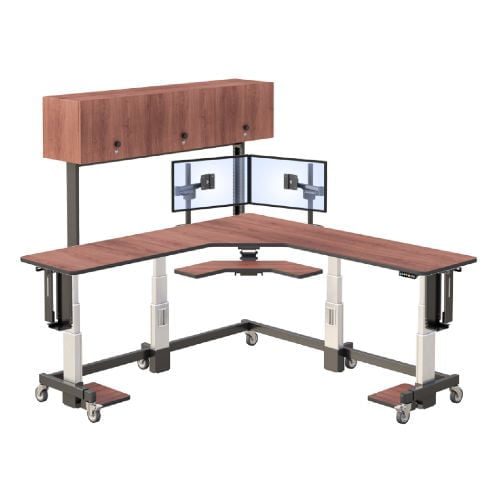
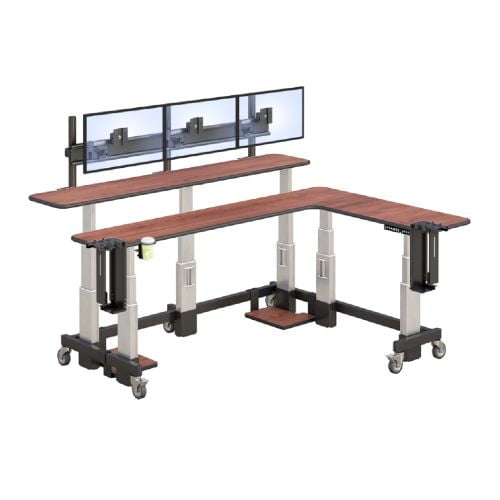
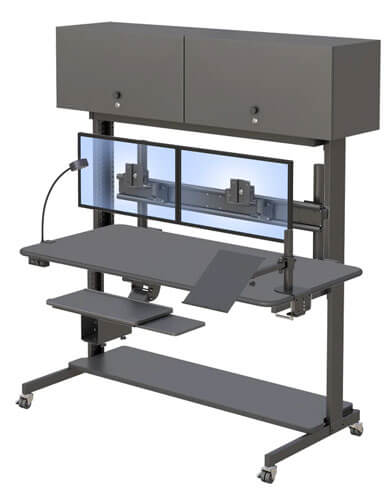
Adjustable desking solutions form the core of healthy workspaces. Sit-stand desks let employees change positions throughout the day. Task chairs with multiple adjustment points cater to individual body dimensions.
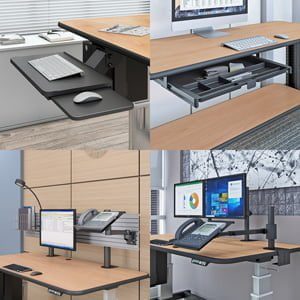
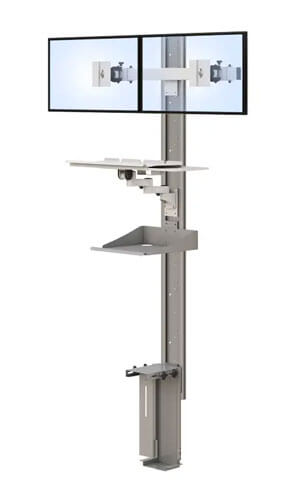
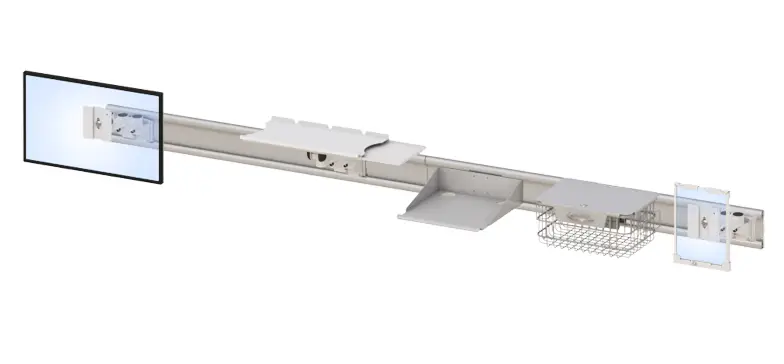
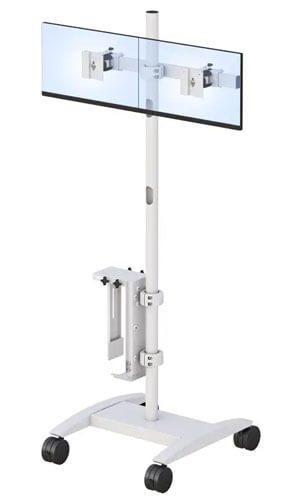
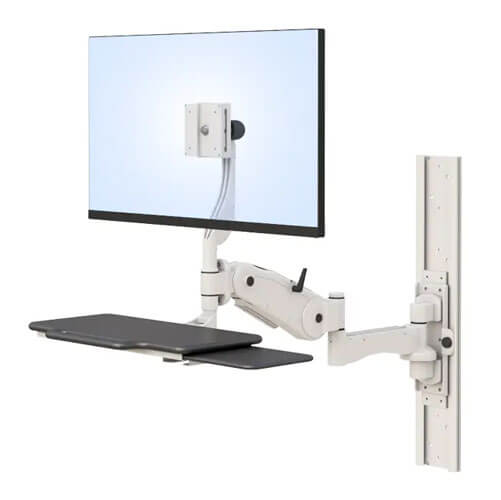
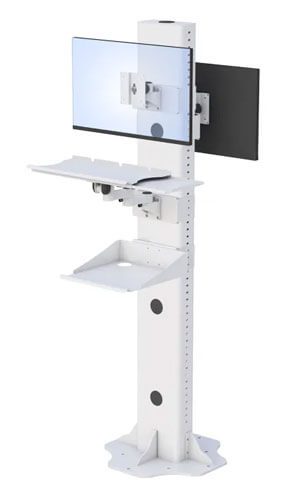
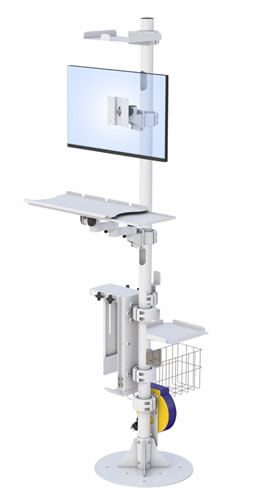
Support accessories complete the picture. Monitor arms position screens at proper eye level. Keyboard trays maintain neutral wrist positions. These elements connect directly to the technology integration concepts discussed earlier—creating complete, functional workstations.
Collaboration Zones
Meeting spaces have evolved significantly. Today’s collaboration zones require video conferencing capabilities for hybrid teams. High-quality webcams, 75-inch displays, and acoustic management bring remote and in-person participants together effectively.
Informal gathering areas also matter. Coffee stations and lounge spaces foster the serendipitous interactions that spark creativity. For New York offices where space comes at a premium, these zones must serve multiple purposes efficiently.
Implementing Workspace Solutions
Planning effective workspace transformations requires methodical approaches. Rushing leads to costly mistakes, while careful assessment ensures your investment delivers results.
Assessment and Planning Process
Before making changes, understand your current situation:
- Conduct employee needs analysis – Survey your team about comfort complaints, collaboration challenges, and technology requirements
- Complete space utilization audit – Track how different areas are actually used versus how they were designed
- Develop ergonomic requirements – Identify specific furniture features needed based on job functions
- Create phased timeline and budget – Plan implementation in stages to manage costs and minimize disruption
- Establish success metrics – Define how you’ll measure improvement in productivity and satisfaction
For expert guidance on assessment processes, AFC Industries brings decades of expertise in workspace evaluation.
Solution Comparison Framework
| Criterion | Traditional Approach | Modern Workspace Solutions |
| Initial Cost | Lower by 10% | Higher upfront investment |
| Flexibility | Fixed configurations | Easily reconfigurable |
| Employee Satisfaction | Average | 28% higher retention |
| Space Utilization | ~50% efficiency | Up to 85% efficiency |
| Long-term ROI | Limited | 15-20% cost savings |
This comparison helps businesses determine which approach fits their goals. Smaller companies might start with targeted ergonomic improvements, while larger organizations can pursue comprehensive transformations.
Common Workspace Challenges and Solutions
New York businesses face particular obstacles when optimizing their offices. Here’s how to address the most frequent issues.
Limited Office Space
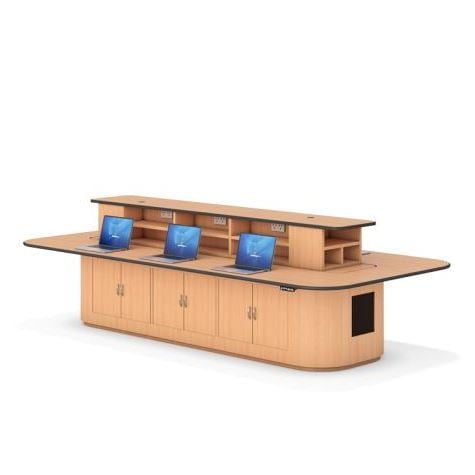
Manhattan’s real estate costs demand creative solutions. Multi-functional furniture serves multiple purposes—a meeting table becomes individual workstations. Vertical storage maximizes floor space while keeping materials within easy reach.
Employee Comfort Complaints
When team members report discomfort, ergonomic assessments identify the root causes. Often, simple adjustments—proper chair height, monitor positioning, keyboard placement—resolve issues without major purchases. Adjustable equipment accommodates different body types across your team.
Technology Integration Issues
Cable management systems keep workstations clean and safe. Integrated power solutions built into furniture provide device access without unsightly cord tangles. These practical improvements support reliable performance from your technology investments.
Budget Constraints
Phased implementation strategies spread costs over time. Start with high-impact changes like ergonomic chairs for employees with existing complaints. Then expand to adjustable desks and collaborative furniture as the budget allows. Request a free catalog to explore options at various price points.
Conclusion and Next Steps
Comprehensive workspace solutions require attention to ergonomics, design psychology, and technology integration. By addressing these elements systematically, New York businesses can create environments where employees thrive and productivity increases measurably.
Your immediate next steps:
- Survey employees about current comfort and functionality concerns
- Audit your space utilization patterns for one to two weeks
- Schedule a consultation with workspace design experts
- Prioritize changes based on employee impact and budget availability
For ongoing workspace insights and industry trends, explore the AFC Industries blog. To discuss your specific project requirements, connect with their team.
Frequently Asked Questions
What are the most cost-effective workspace solutions for small businesses?
Small businesses should prioritize ergonomic seating and adjustable monitor arms first. These relatively modest investments deliver immediate comfort improvements and injury prevention. Modular furniture that serves multiple functions helps maximize limited space without large expenditures.
How do ergonomic workspace solutions improve employee productivity?
Ergonomic furniture reduces physical discomfort that causes distraction and fatigue. Studies show proper workstation setup decreases musculoskeletal complaints by 40%, leading to fewer breaks, less absenteeism, and better focus during work hours.
What workspace solutions work best for hybrid work environments?
Hybrid environments benefit from flexible workspace solutions including hot-desking systems, bookable meeting rooms with video conferencing, and a mix of collaborative and private zones. Digital workspace management solutions help coordinate scheduling when employees split time between office and remote work.
How long does it take to implement comprehensive workspace solutions?
Timeline depends on scope. Simple ergonomic improvements take days. Full office redesigns typically require 8-16 weeks for planning, furniture delivery, and installation. Phased approaches spread this timeline while minimizing workflow disruption.
What ROI can businesses expect from workspace solution investments?
Businesses typically see 15-20% savings in real estate costs through better space utilization. Additionally, improved ergonomics reduce injury-related expenses, while productivity gains of 8-12% are common in well-designed environments.
What are flexible workspace solutions in NYC?
In New York, flexible workspace solutions include modular office furniture, hot-desking arrangements, and adaptable layouts that accommodate changing team sizes. Given high real estate costs, NYC businesses particularly benefit from multi-use spaces that serve collaboration and focused work.
How do workspace insights improve hybrid work?
Workspace insights—gathered through occupancy sensors and booking data—reveal how spaces are actually used. This information helps businesses right-size their real estate, identify underutilized areas, and make data-driven decisions about furniture investments and layout changes.