
Why Is Cardiology Equipment Critical in Modern Healthcare?
Cardiology equipment is critical because it enables accurate diagnostics, real-time monitoring, and efficient patient care.
In cardiology, every second matters. From detecting irregular heart rhythms to monitoring patients in real time, the right equipment directly impacts patient outcomes. Without properly integrated systems, workflows can slow down, and critical data may be missed. Modern cardiology setups are designed not just for functionality, but for speed, precision, and reliability.
What Should You Look for in Cardiology Equipment?
How Does Cardiology Equipment Improve Diagnostics and Patient Care?
Cardiology equipment improves patient care by providing accurate data, faster diagnostics, and real-time monitoring capabilities.
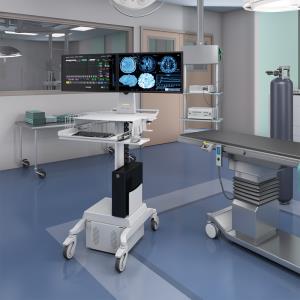
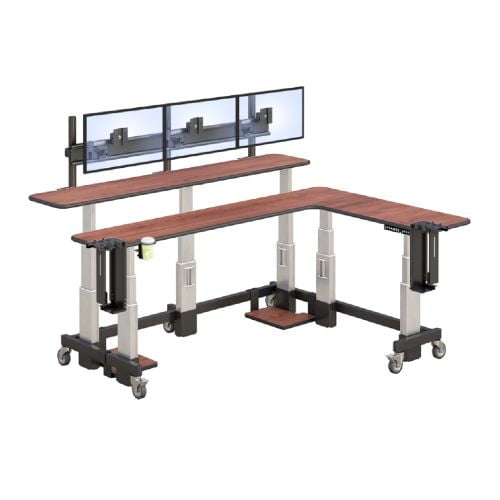
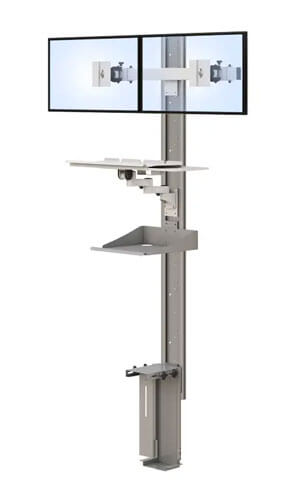
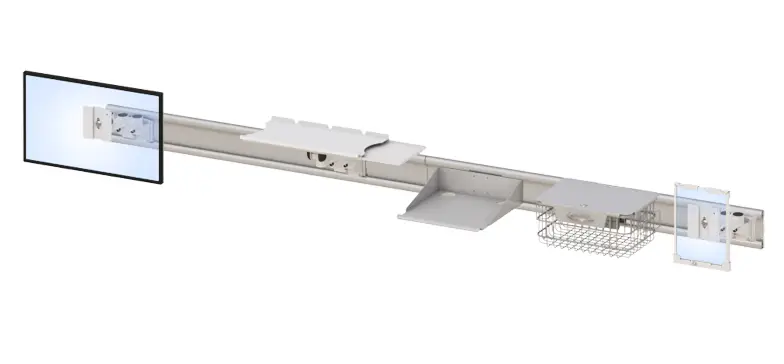
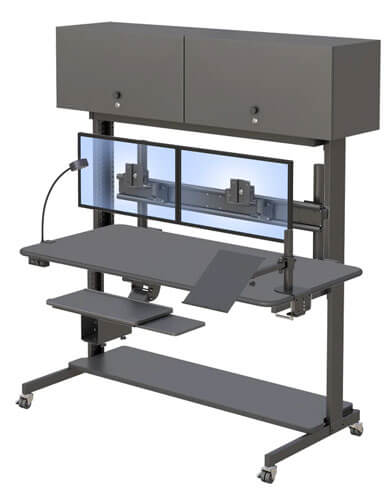
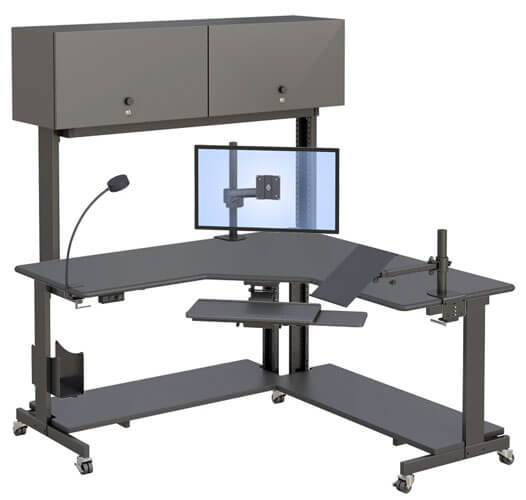
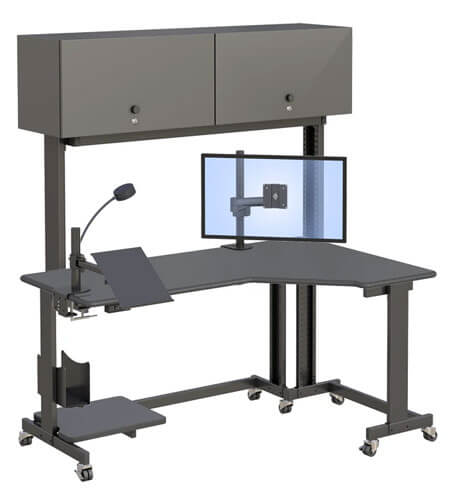
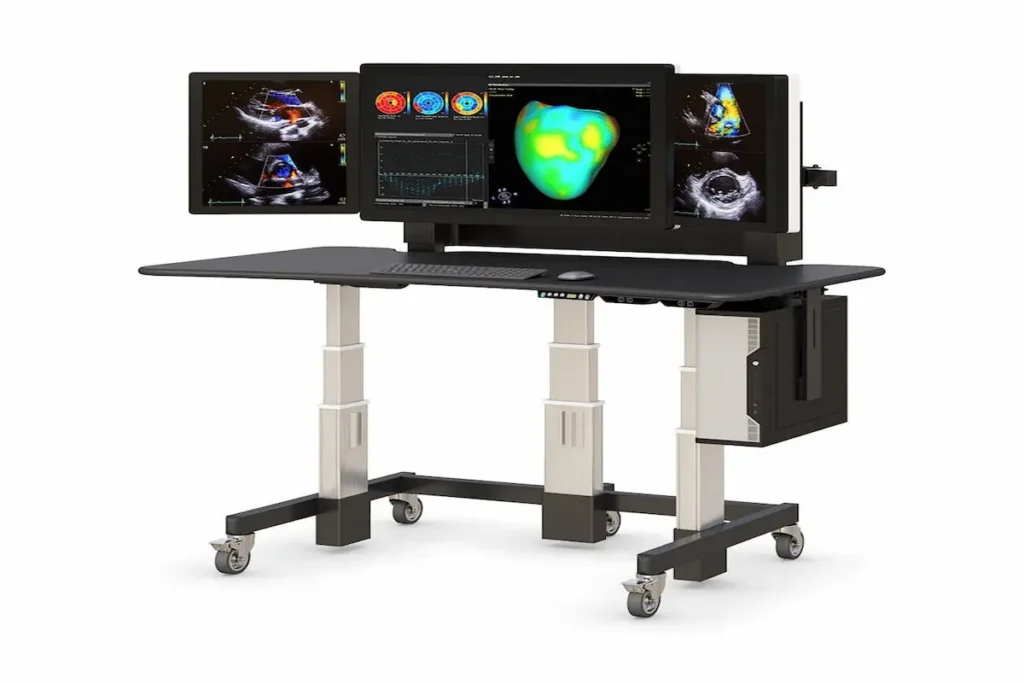
Healthcare providers rely on advanced tools to detect and manage heart conditions efficiently. Integrated systems allow for continuous monitoring, enabling faster response to changes in a patient’s condition. Solutions like cardiology equipment systems help streamline workflows and ensure that critical data is always accessible when needed.
What Features Define High-Quality Cardiology Equipment?
High-quality cardiology equipment includes reliability, integration capabilities, mobility, and ergonomic design.
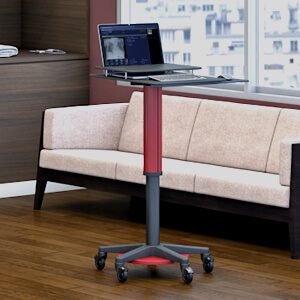
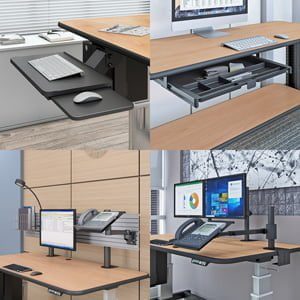
Reliable systems ensure consistent performance, while integration allows equipment to connect seamlessly with hospital IT systems. Mobility enables equipment to be used across different departments, and ergonomic design ensures ease of use for healthcare professionals. Pairing with solutions like medical carts enhances flexibility and workflow efficiency.
How Does Cardiology Equipment Support Real-Time Monitoring?
Cardiology equipment supports real-time monitoring by continuously tracking patient data and providing instant insights.
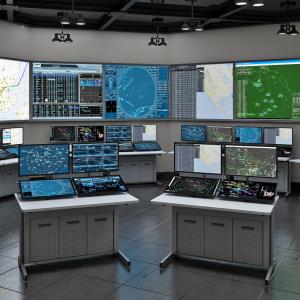
In critical care environments, having access to live data is essential. Monitoring systems allow healthcare providers to detect abnormalities early and respond quickly. Competitors like Enovate Medical emphasize integrated workstations, highlighting the importance of combining hardware with intelligent monitoring systems.
What Types of Cardiology Equipment Are Available?
Which Cardiology Setup Fits Your Workflow?
The right cardiology setup depends on your clinical environment, patient needs, and workflow requirements.
Understanding the different types of equipment available can help you choose a solution that supports both efficiency and patient care.
1. Diagnostic Cardiology Equipment
Diagnostic equipment is used to identify and assess heart conditions.
This includes tools for ECG, stress testing, and imaging that provide critical insights into patient health.
2. Monitoring Systems
Monitoring systems track patient heart activity in real time.
They are essential in intensive care units and other high-risk environments where continuous observation is required.
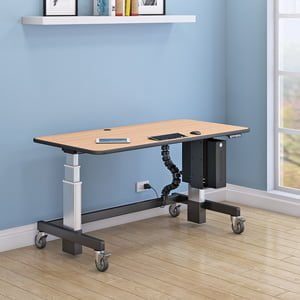
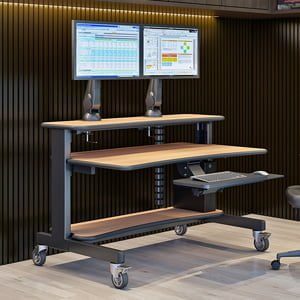
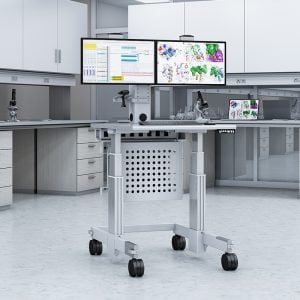
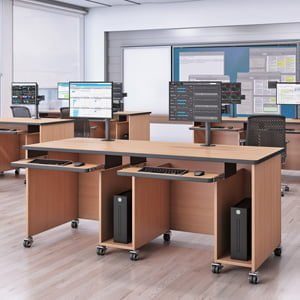
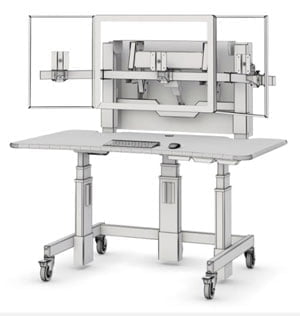
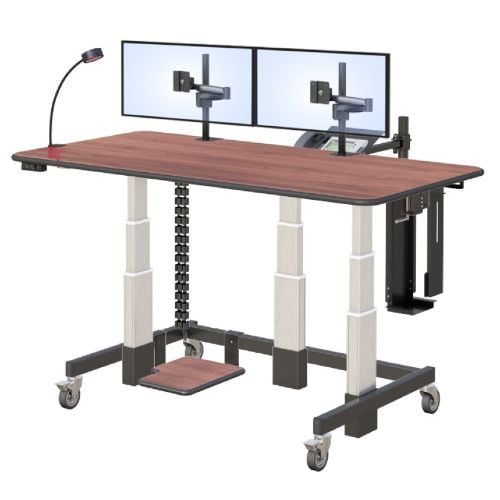
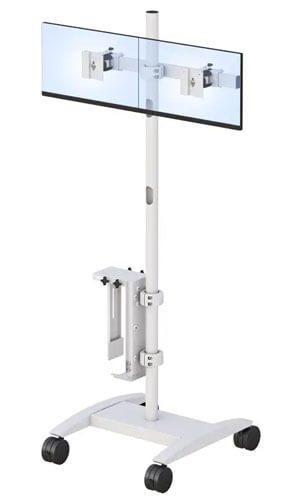
3. Mobile Cardiology Workstations
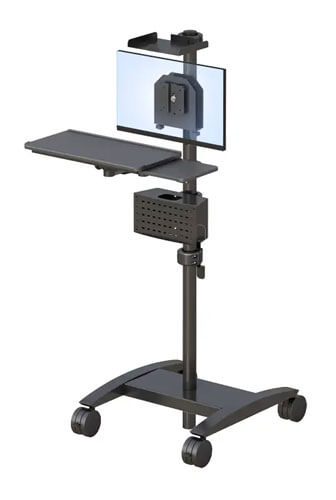
Mobile workstations allow equipment to be transported easily between locations.
Solutions like computer carts enable flexibility and improve workflow efficiency across departments.
4. Telehealth and Remote Monitoring Equipment
Telehealth systems allow providers to monitor patients remotely and conduct virtual consultations.
Integrating with telemedicine carts and equipment supports remote care and expands access to cardiology services.
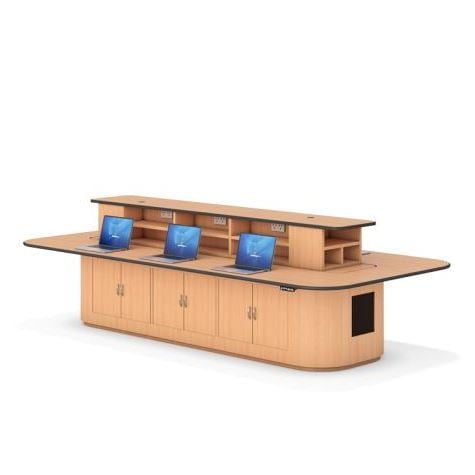
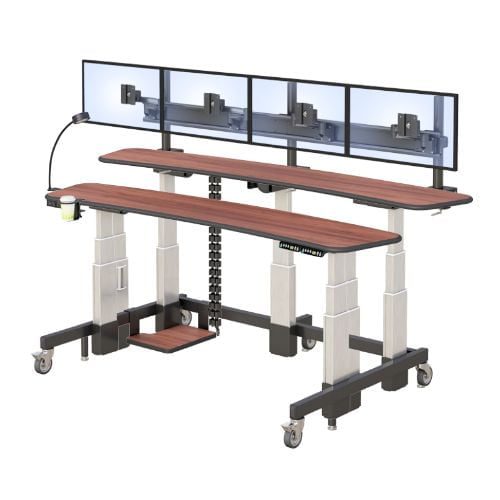
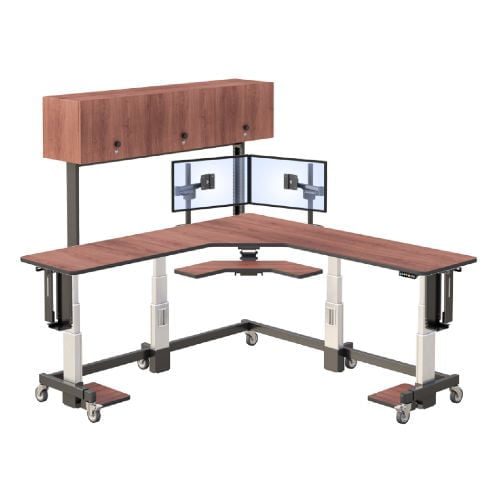
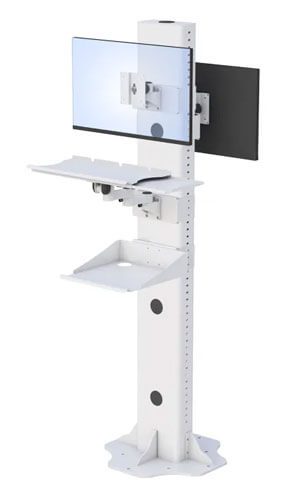
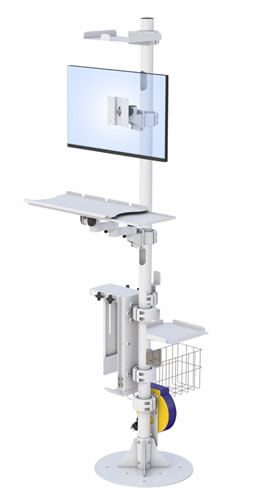
5. Integrated Cardiology Systems
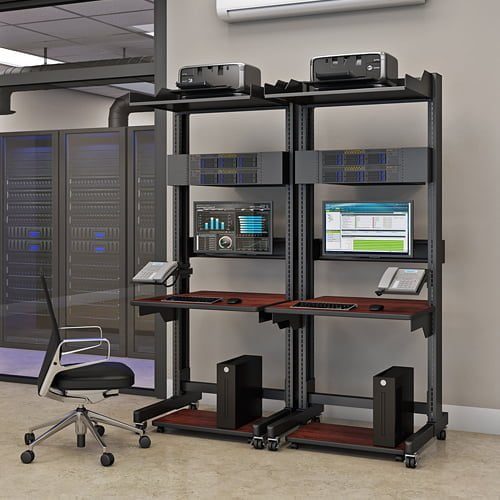
Integrated systems combine multiple tools into a single, cohesive solution.
These setups improve efficiency by centralizing data and reducing the need for multiple standalone devices.
How Do You Choose the Right Cardiology Equipment?
What Factors Should You Consider Before Buying Cardiology Equipment?
Choosing the right cardiology equipment requires evaluating clinical needs, system integration, mobility, and ease of use.
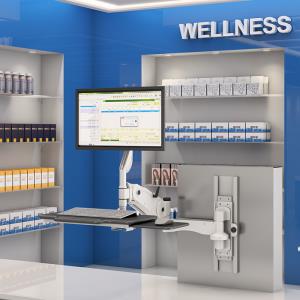
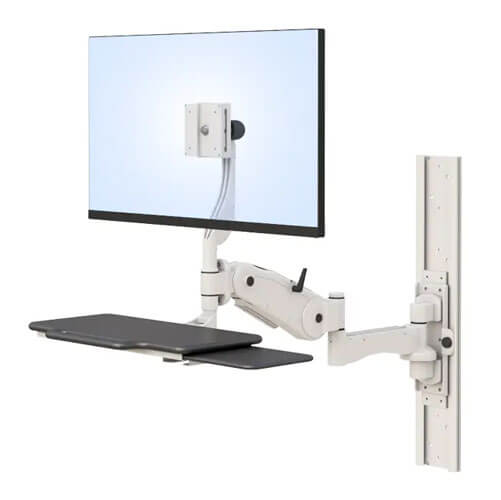
Consider how the equipment will be used daily and how it fits into your existing workflow. Think about the level of monitoring required and whether mobility is necessary. Integrating with solutions like ergonomic mounts can improve usability and comfort for healthcare professionals.
How Does Cardiology Equipment Improve Efficiency and ROI?
Cardiology equipment improves efficiency by streamlining workflows, reducing delays, and enabling faster decision-making.
When systems are integrated and easy to use, healthcare providers can focus more on patient care and less on managing equipment. This leads to improved productivity and better patient outcomes. Over time, these benefits contribute to a stronger return on investment for healthcare organizations.
Where Is Cardiology Equipment Used and Why Does It Matter?
What Real-World Use Cases Show Its Value?
Cardiology equipment is widely used in hospitals, clinics, diagnostic centers, and specialized cardiac care units.
In hospitals, it supports patient monitoring and emergency response. In clinics, it enables early detection and diagnosis of heart conditions. In specialized units, it provides continuous monitoring for high-risk patients. Its ability to deliver accurate and timely data makes it essential in modern healthcare systems.
Conclusion: Choosing the Right Cardiology Equipment for Better Patient Outcomes
Cardiology equipment is more than just medical tools—it is the foundation of effective cardiac care. The right setup improves diagnostics, enhances workflow efficiency, and supports better patient outcomes.
If you’re ready to upgrade your cardiology workflow, explore cardiology equipment systems or connect through the contact page to find the right solution for your needs.