

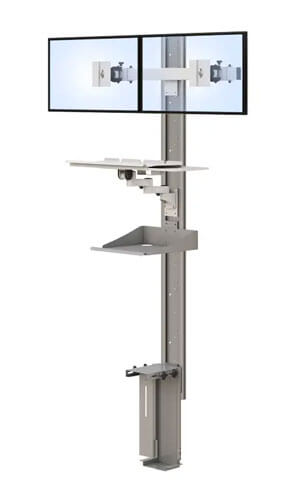
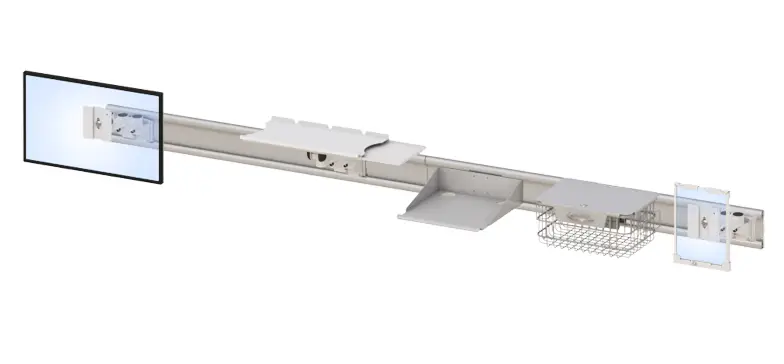
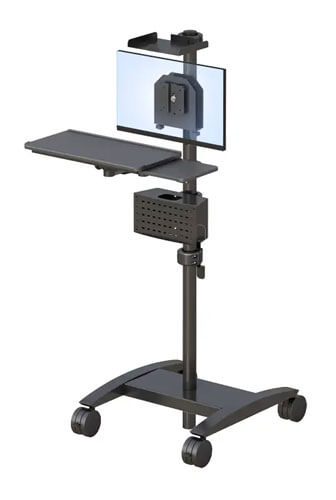
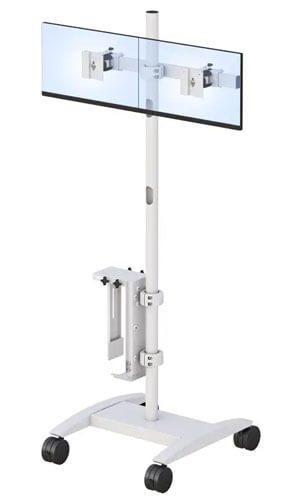
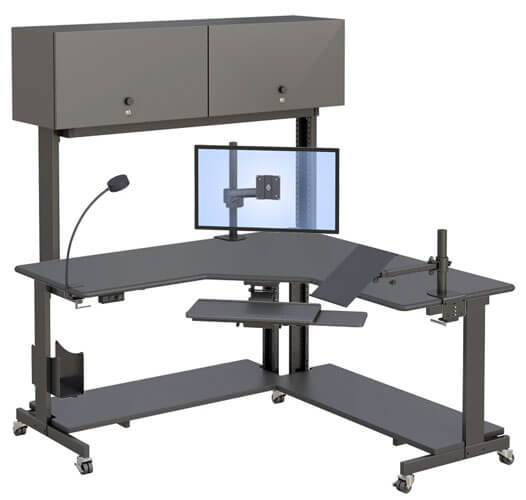
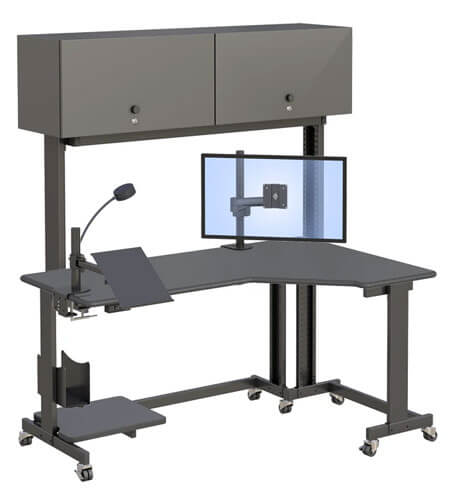
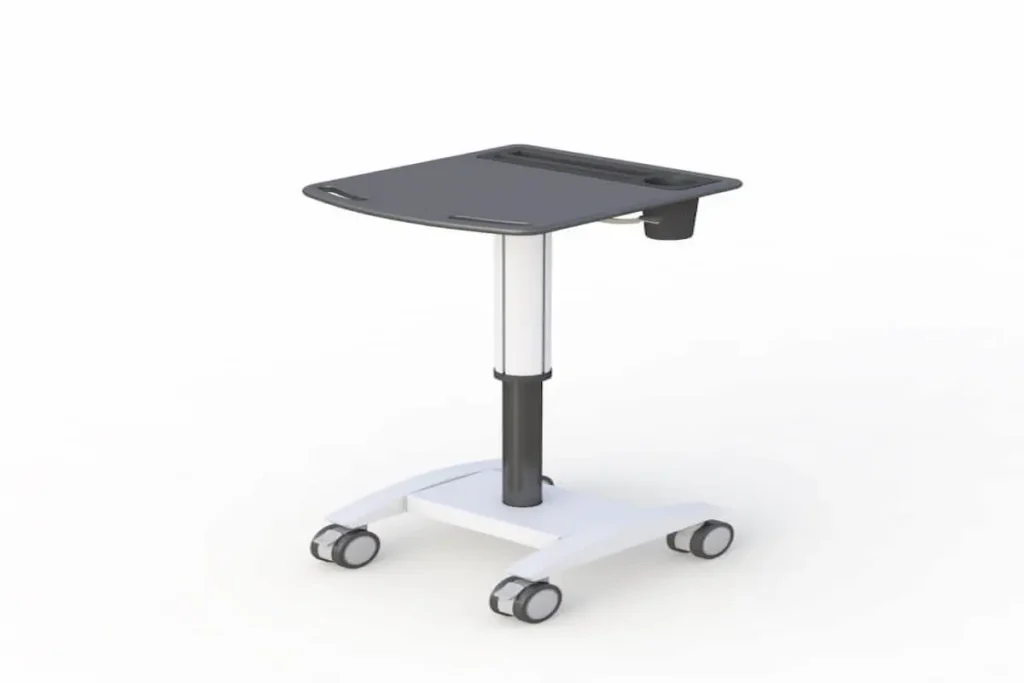
Why Are Custom Products Important in Modern Work Environments?
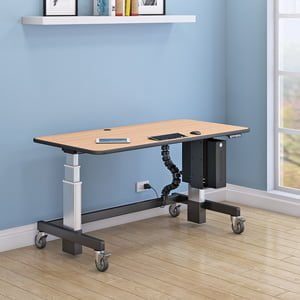
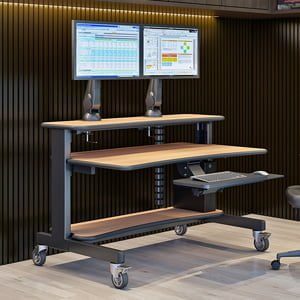
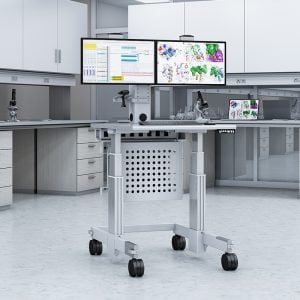
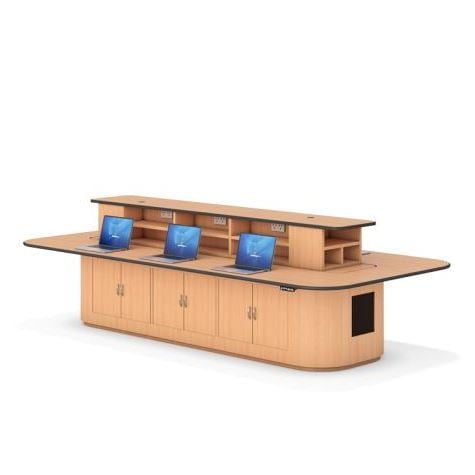
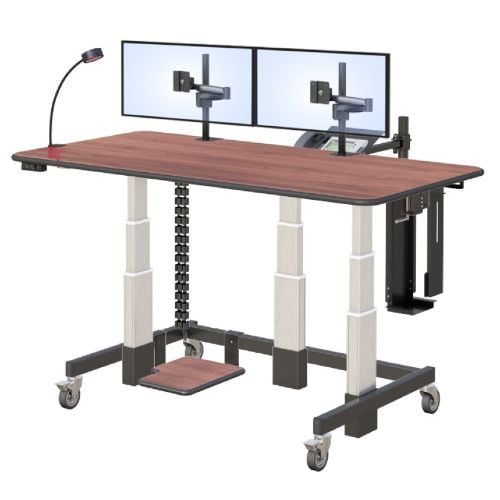
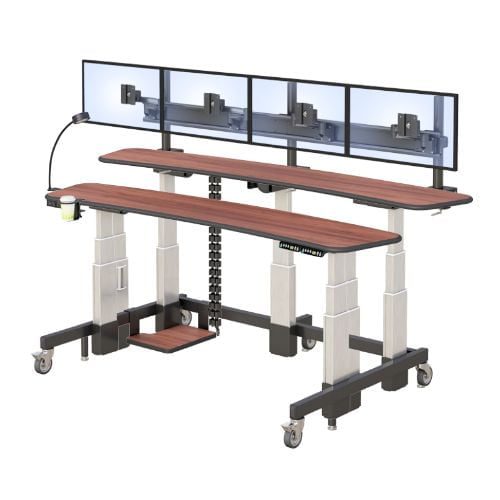
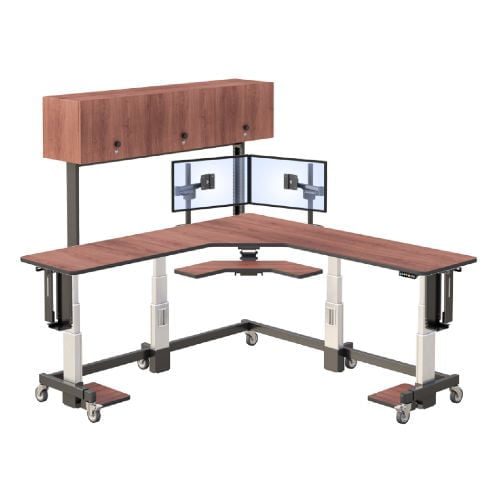
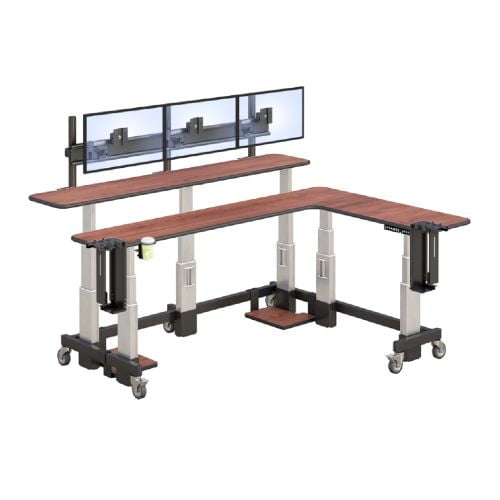
Custom products are important because they allow organizations to design solutions tailored to their exact workflow, equipment, and operational needs.
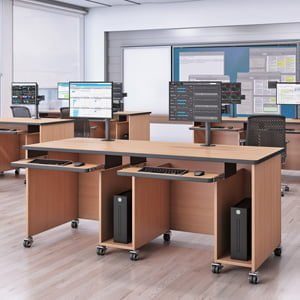
In industries like healthcare, IT, manufacturing, and control rooms, standard solutions often fall short. Every environment has unique challenges, and using generic equipment can create inefficiencies or limitations. Custom products solve this by aligning design with real-world usage, helping teams work more effectively while reducing friction in daily operations.
What Should You Look for in Custom Products?
How Do Custom Products Improve Workflow and Efficiency?
Custom products improve workflow by aligning design, functionality, and usability with real operational needs.
Instead of forcing teams to adapt to pre-built solutions, customization allows the product to adapt to the workflow. This leads to smoother operations, faster task completion, and fewer inefficiencies. Solutions like custom products are designed to meet these specific requirements across industries.
What Features Define High-Quality Custom Solutions?
High-quality custom solutions include modular design, durability, scalability, and seamless system integration.
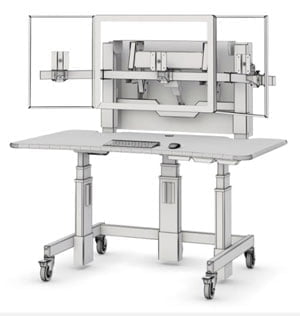
Modular design allows flexibility, while durable materials ensure long-term performance. Scalability ensures that the solution can grow with your needs, and integration allows compatibility with existing systems and technologies. Pairing with solutions like computer carts and medical carts can further enhance operational efficiency.
How Does Customization Support Industry-Specific Needs?
Customization supports industry-specific needs by adapting solutions to different workflows, environments, and equipment requirements.
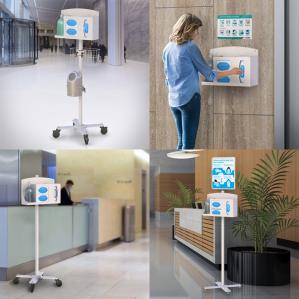
For example, healthcare environments may require mobility and hygiene compliance, while IT environments may prioritize cable management and system integration. Customization ensures that every solution is purpose-built, improving both usability and performance.
What Is the Process for Creating Custom Products?
How Does the Customization Process Work?
The customization process typically involves consultation, design, prototyping, and production.
It starts with understanding your workflow and identifying challenges. From there, a tailored solution is designed and tested before final production. Integrating with solutions like custom products ensures that every step is aligned with your goals.
What Steps Should You Expect in a Custom Project?
- Needs Assessment – Identify challenges and requirements
- Design & Engineering – Develop a tailored solution
- Prototyping & Testing – Validate performance and usability
- Production & Implementation – Deliver and deploy the final product
This structured approach ensures that the final solution meets both functional and operational needs.
How Do Custom Products Improve Efficiency and ROI?
Custom products improve efficiency by eliminating inefficiencies, improving usability, and optimizing workflows.
When solutions are designed specifically for your environment, tasks become easier and faster to complete. This reduces errors, improves productivity, and lowers operational costs over time. As a result, custom solutions often provide a stronger return on investment compared to standard products.
What Types of Custom Product Solutions Are Available?
Which Custom Setup Fits Your Needs?
The right custom solution depends on your environment, workflow, and operational goals.
Understanding different applications can help you determine the best approach for your needs.
1. Healthcare Custom Solutions
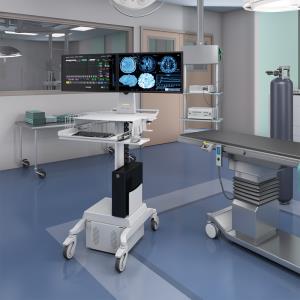
Designed for patient care, mobility, and compliance.
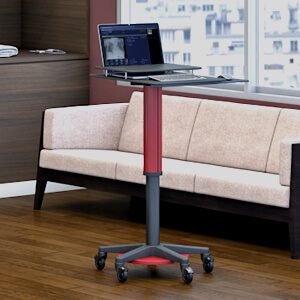
Includes carts, workstations, and integrated systems.
2. IT and Data Infrastructure Solutions
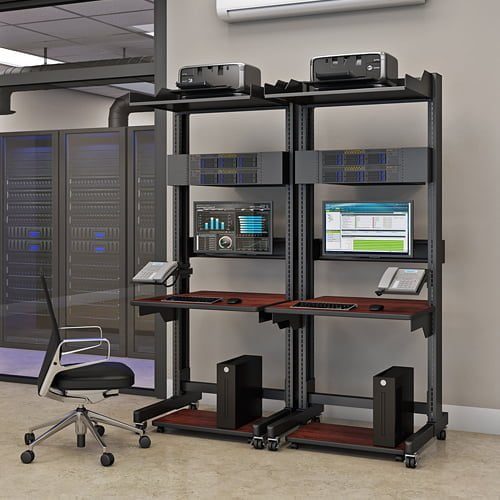
Built for system organization, scalability, and performance.
Includes racks, mounts, and integrated setups.
3. Industrial and Manufacturing Solutions
Focused on durability and efficiency in demanding environments.
Supports heavy-duty operations and specialized workflows.
4. Office and Workspace Solutions
Optimized for productivity, collaboration, and ergonomics.
Includes desks, tables, and workstation setups.
5. Fully Integrated Custom Systems
Combine multiple solutions into one cohesive setup.
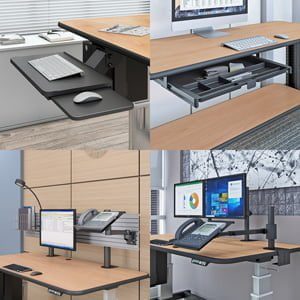
Pairing with ergonomic mounts and accessories creates a complete, high-performance environment.
How Do You Choose the Right Custom Product Solution?
What Factors Should You Consider Before Customizing a Product?
Choosing the right custom product requires evaluating workflow, environment, scalability, and integration needs.
Think about how your team operates daily and what challenges need to be solved. Consider future growth and whether the solution can adapt over time. A well-planned customization strategy ensures long-term success.
How Do Custom Solutions Improve Long-Term Performance?
Custom solutions improve long-term performance by adapting to evolving workflows and operational demands.
Unlike standard products, custom solutions can be updated or expanded as needs change. This flexibility ensures that your investment continues to deliver value over time.
Where Are Custom Products Used and Why Do They Matter?
What Real-World Use Cases Show Their Value?
Custom products are used across healthcare, IT, industrial, and office environments.
In healthcare, they improve patient care and workflow efficiency. In IT, they support infrastructure and system management. In industrial settings, they enhance durability and productivity. Their ability to adapt to specific needs makes them essential in modern operations.
Conclusion: Designing Custom Products for Better Performance
Custom products are more than just tailored solutions—they are strategic investments that improve efficiency, flexibility, and performance. By aligning with real-world workflows, they provide a level of functionality that standard products cannot match.
If you’re ready to build a solution that fits your exact needs, explore custom products or connect through the contact page to start designing your solution.