


The Role of Medical Carts in Streamlining Healthcare Workflows
Why Are Medical Carts Essential in Modern Healthcare?
Medical carts are essential because they improve workflow efficiency, support patient care, and provide mobility for critical equipment and tools.
In healthcare environments, speed and accessibility can directly impact patient outcomes. Whether it’s delivering medication, accessing patient records, or supporting procedures, medical carts ensure that healthcare professionals have the tools they need exactly where they need them. Without mobile solutions, workflows become slower and less efficient, increasing the risk of delays in care.
What Should You Look for in Medical Carts?
How Do Medical Carts Improve Patient Care and Workflow?
Medical carts improve patient care by enabling real-time access to equipment, reducing delays, and supporting efficient workflows.
In busy hospital settings, every second counts. Medical carts allow healthcare providers to bring essential tools directly to the patient, minimizing movement and improving response times. Solutions like medical carts are designed to streamline operations and enhance the quality of care delivered.
What Features Define a High-Quality Medical Cart?
High-quality medical carts include mobility, ergonomic design, storage capacity, and integrated technology support.
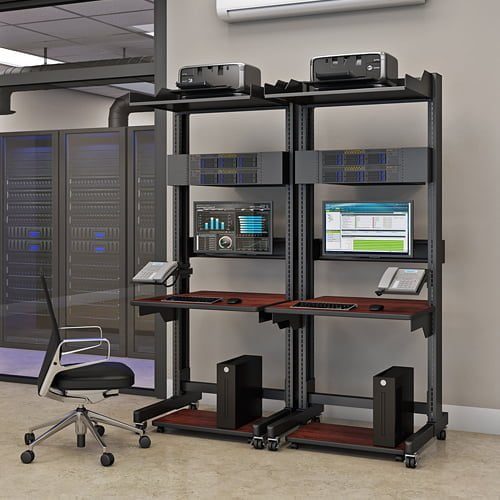
Smooth mobility ensures carts can move easily between rooms, while ergonomic design supports long-term usability for healthcare staff. Storage compartments keep supplies organized, and technology integration allows for devices such as computers and monitors to be included. Pairing with solutions like computer carts can further enhance functionality.
How Do Medical Carts Support Safety and Compliance?
Medical carts support safety and compliance by organizing equipment, reducing clutter, and enabling proper handling of medical supplies.
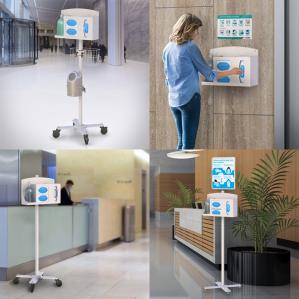
Properly designed carts help maintain sterile environments and reduce the risk of contamination. They also support regulatory compliance by ensuring that equipment and medications are stored and accessed correctly. Competitors like TouchPoint Medical emphasize safety and patient outcomes, reinforcing the importance of reliable and well-designed carts.
What Types of Medical Carts Are Available?
Which Medical Cart Setup Fits Your Needs?
The right medical cart depends on your healthcare environment, workflow, and equipment requirements.
Understanding the different types available helps ensure that your solution supports both efficiency and patient care.
1. Medical Procedure Carts
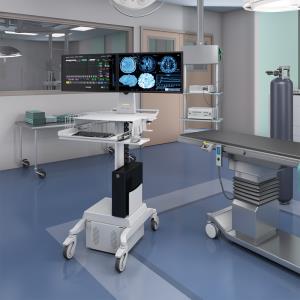
Procedure carts are designed to store and organize tools needed for medical procedures.
They help healthcare professionals perform tasks efficiently by keeping everything within reach.
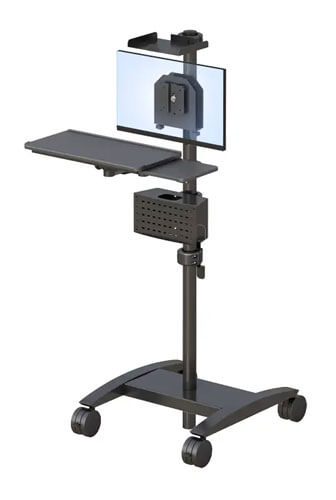
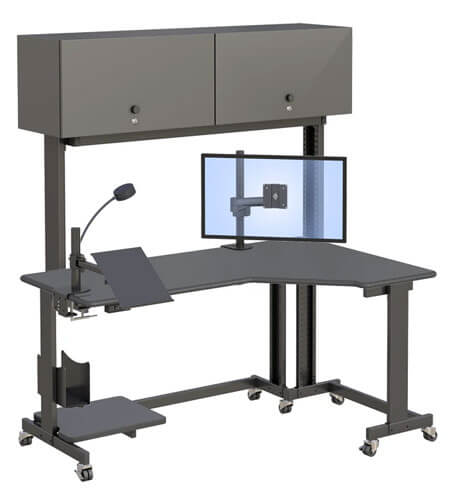
2. Medical Computer Carts
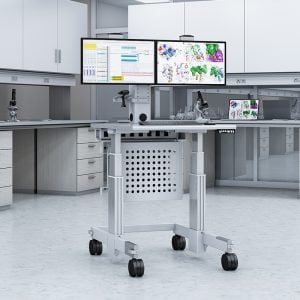
Computer carts provide access to digital systems and patient records.
They support electronic health record management and real-time documentation.
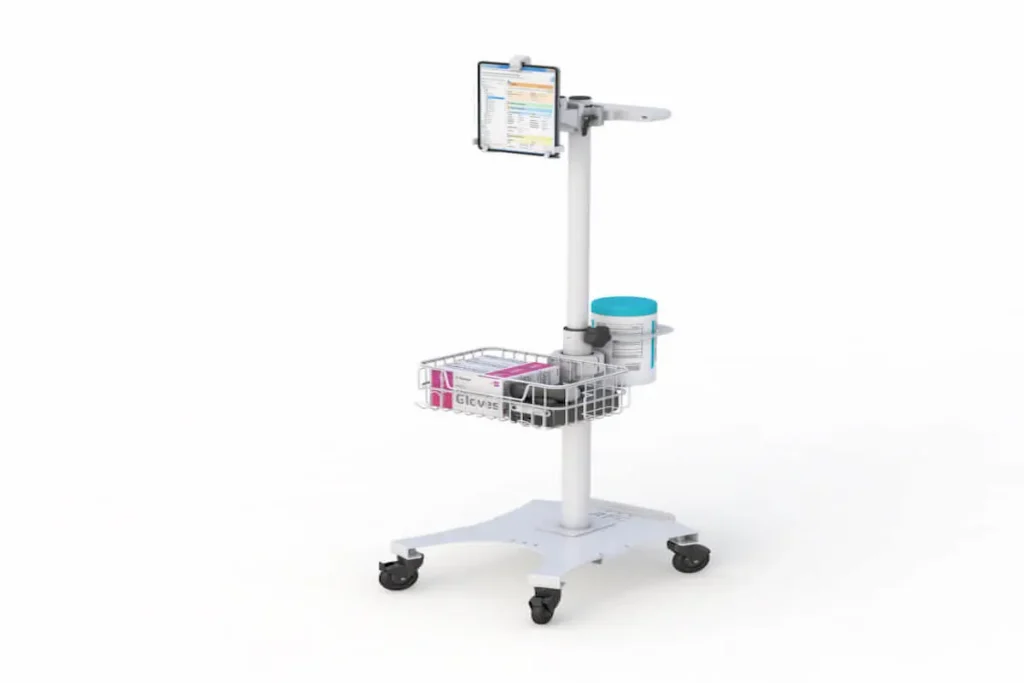
3. Mobile Medical Carts
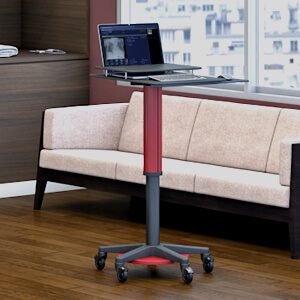
Mobile carts are designed for flexibility and movement across different areas of a facility.
They allow healthcare providers to deliver care wherever it is needed.
4. Medication and Supply Carts
These carts are used to store and transport medications and medical supplies safely.
They help ensure proper organization and reduce the risk of errors.
5. Custom and Modular Medical Carts
Custom carts allow healthcare organizations to tailor solutions to their specific needs.
Pairing with custom products and accessories creates a fully optimized solution.
How Do You Choose the Right Medical Cart?
What Factors Should You Consider Before Buying a Medical Cart?
Choosing the right medical cart requires evaluating mobility, storage, ergonomics, and system integration.
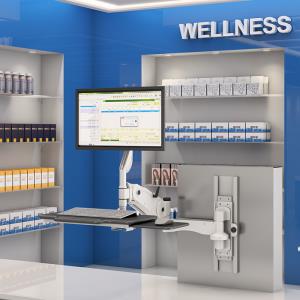
Consider how the cart will be used daily and what equipment it needs to support. Think about the workflow of your healthcare team and how the cart can improve efficiency. Integrating with solutions like ergonomic mounts can improve usability and comfort.
How Do Medical Carts Improve Efficiency and ROI?
Medical carts improve efficiency by reducing delays, improving organization, and supporting faster decision-making.
When healthcare providers have immediate access to the tools they need, they can focus more on patient care and less on searching for equipment. This leads to better outcomes and increased productivity. Over time, investing in the right medical carts results in a strong return on investment.
Where Are Medical Carts Used and Why Do They Matter?
What Real-World Use Cases Show Their Value?
Medical carts are widely used in hospitals, clinics, emergency rooms, and specialized care units.
In hospitals, they support patient care and monitoring. In clinics, they improve workflow and organization. In emergency settings, they enable rapid response and access to critical tools. Their ability to bring equipment directly to the point of care makes them indispensable in healthcare environments.
Conclusion: Choosing the Right Medical Cart for Better Patient Outcomes
Medical carts are more than just storage solutions—they are essential tools for improving efficiency, supporting patient care, and enhancing healthcare workflows. The right cart ensures that healthcare professionals can deliver care quickly, safely, and effectively.
If you’re ready to upgrade your healthcare workflow, explore medical carts or connect through the contact page to find the right solution for your needs.