

Conference Room Tables: Enhancing Collaboration in Modern Workspaces
A conference room table is important because it shapes collaboration, communication, and the overall meeting experience.
In modern workplaces, meetings are no longer just about sitting around a table—they involve hybrid collaboration, video conferencing, and team interaction. The right table helps create a professional, functional, and comfortable environment where ideas can flow freely. A poorly chosen table, on the other hand, can limit space, disrupt communication, and reduce productivity.
What Should You Look for in a Conference Room Table?
How Does Table Design Impact Collaboration and Productivity?
Conference room table design directly impacts how teams interact, communicate, and engage during meetings.
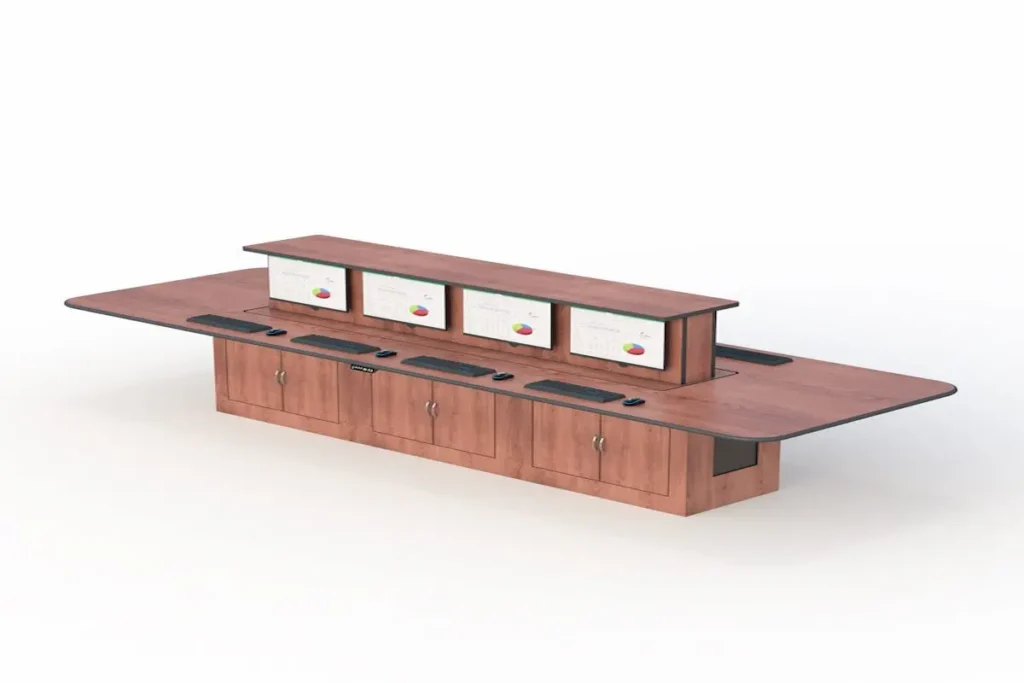
The shape and layout of a table influence visibility, accessibility, and participation. For example, round or oval tables encourage open discussion, while rectangular tables support structured meetings. Solutions like conference room tables are designed to balance aesthetics with functionality, helping teams collaborate more effectively.
What Features Define a High-Quality Conference Room Table?
A high-quality conference room table includes durability, cable management, ergonomic design, and technology integration.
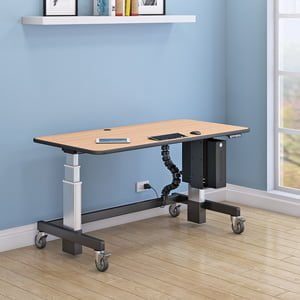
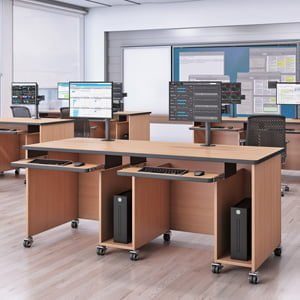
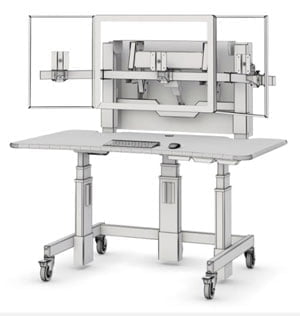
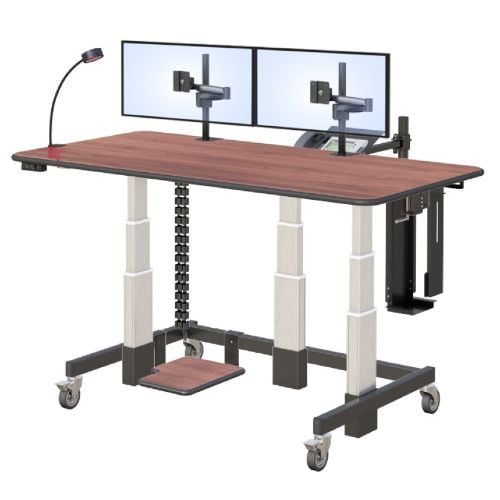
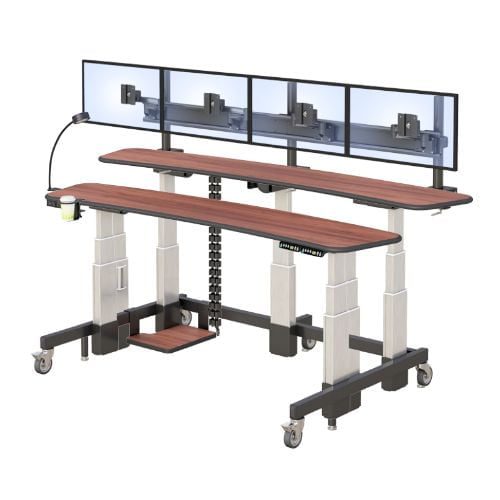
Modern meeting spaces often require built-in power access, cable organization, and support for video conferencing tools. Durable materials ensure long-term use, while ergonomic design improves comfort during long meetings. Pairing with solutions like standing desks or desk tables can help create a more flexible workspace.
How Do Conference Tables Support Hybrid and Modern Work Environments?
Conference tables support hybrid work by enabling seamless integration of in-person and remote collaboration.
With more teams working remotely, meeting rooms must accommodate video conferencing and shared digital tools. Tables designed for modern workplaces include features that support cameras, screens, and connectivity. Competitors like Herman Miller emphasize design and workplace trends, highlighting the shift toward flexible and technology-driven meeting spaces.
What Types of Conference Room Tables Are Available?
Which Conference Room Table Setup Fits Your Needs?
The right conference room table depends on your room size, team size, and meeting style.
Choosing the right type of table ensures that your space supports both productivity and comfort.
1. Small Conference Room Tables
Small tables are ideal for compact meeting spaces or small teams.
They maximize space efficiency while still providing a functional meeting area.
2. Large Conference Room Tables
Large tables are designed for bigger teams and boardroom-style meetings.
They provide ample space for collaboration and presentations.
3. Modern Conference Room Tables
Modern tables focus on sleek design and technology integration.
They are ideal for companies looking to create a contemporary and professional workspace.
4. Modular Conference Tables
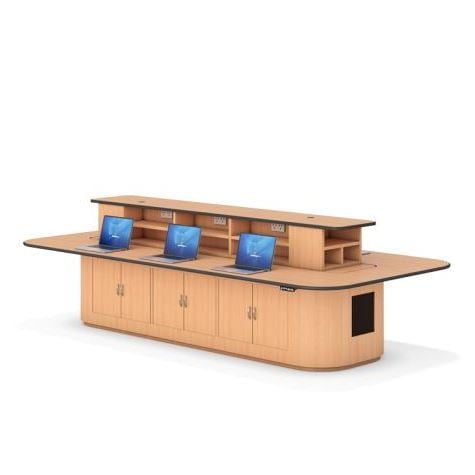
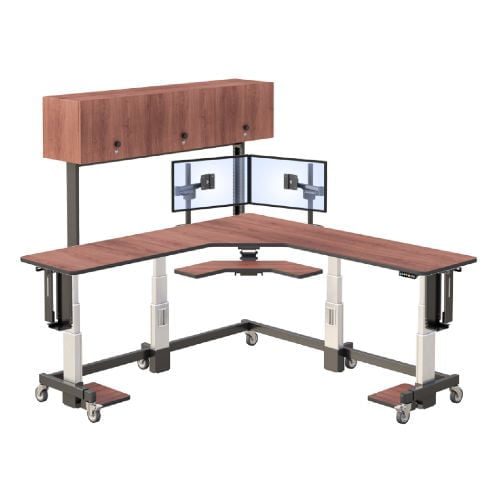
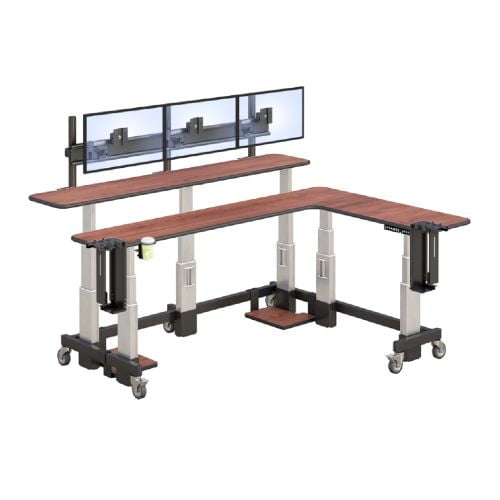
Modular tables offer flexibility by allowing configurations to change based on meeting needs.
They are perfect for dynamic environments where layouts frequently change.
5. Integrated Conference Room Systems
Integrated systems combine tables with technology and accessories.
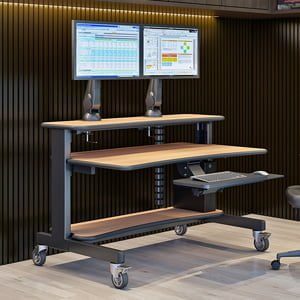
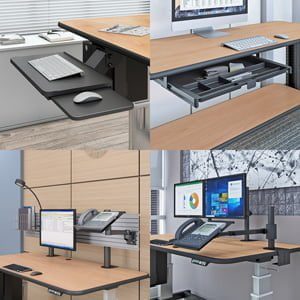
Pairing with solutions like ergonomic mounts and accessories creates a fully functional meeting environment.
How Do You Choose the Right Conference Room Table?
What Factors Should You Consider Before Buying a Conference Table?
Choosing the right conference room table requires evaluating room size, seating capacity, technology needs, and design preferences.
Think about how your team uses the space and what type of meetings are most common. Consider whether you need built-in technology support or a more traditional setup. Integrating with solutions like custom products can help tailor the table to your specific needs.
How Do Conference Tables Improve Efficiency and ROI?
Conference tables improve efficiency by supporting better collaboration, reducing meeting friction, and enhancing communication.
When teams are comfortable and equipped with the right tools, meetings become more productive. This leads to faster decision-making and improved outcomes. Over time, investing in a well-designed conference table contributes to better workplace performance and overall ROI.
Where Are Conference Room Tables Used and Why Do They Matter?
What Real-World Use Cases Show Their Value?
Conference room tables are used in offices, boardrooms, collaborative spaces, and hybrid meeting environments.
In corporate offices, they support team meetings and presentations. In boardrooms, they facilitate strategic discussions. In hybrid environments, they enable seamless communication between in-person and remote participants. Their role in shaping collaboration makes them a key element of modern workplace design.
Conclusion: Choosing the Right Conference Room Table for Better Collaboration
Conference room tables are more than just furniture—they are central to how teams communicate, collaborate, and make decisions. The right table improves both the functionality and the atmosphere of your workspace.
If you’re ready to upgrade your meeting space, explore conference room tables or connect through the contact page to find the right solution for your needs.